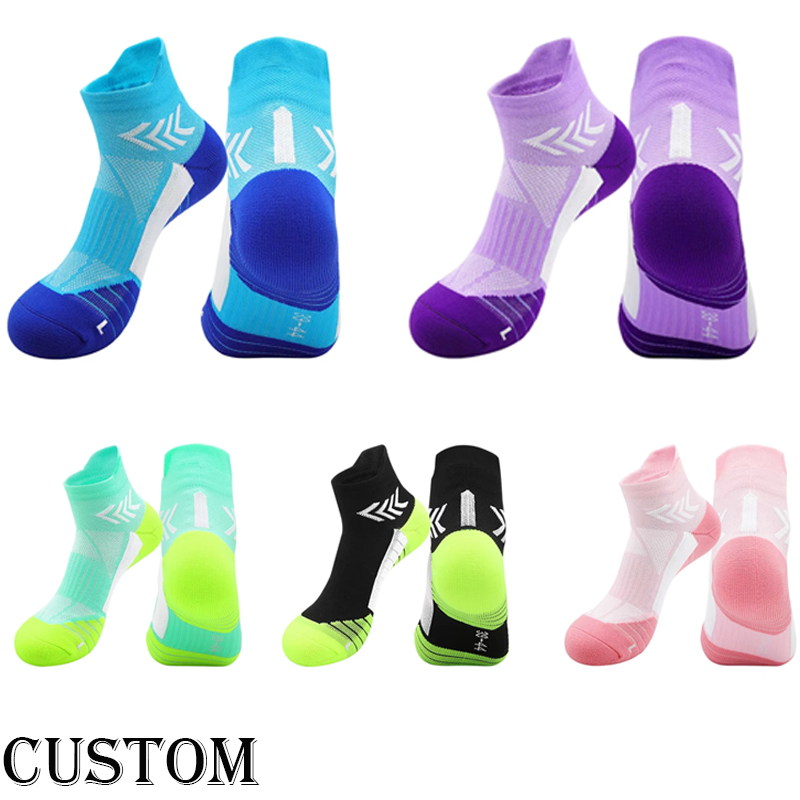
Compression socks used in sports work by applying pressure that's strongest around the ankle area (typically between 15 to 20 mmHg) and gets lighter as they go up the leg. This helps fight against blood pooling caused by gravity when we stand or run. Studies show these socks can boost venous return by roughly 40% while running compared to regular socks. That means better blood flow back to the heart increases what's called cardiac preload. At maximum effort levels, athletes wearing compression gear actually get about 10-15% more oxygen delivered to their muscles. The socks work because they stop veins from stretching too much and help keep arteries flowing properly. This makes the whole circulatory system work better, so people can maintain their aerobic performance longer before getting tired. Marathon runners and cyclists especially notice this effect, often reporting they feel less fatigued during long training sessions or races.
Research indicates that athletes who wear compression socks can push themselves about 14 percent longer before hitting exhaustion during intense interval training compared to those without them. A recent review published in the Journal of Sports Science looked at 18 different studies back in 2023 and found similar results, showing around a 12.6% drop in how hard people felt they were working on the Borg scale when doing moderate intensity exercises. Why does this happen? Well, there's less shaking going on inside the muscles basically. The calf muscles specifically experience about 38% fewer vibrations, plus blood tests after exercise show lower creatine kinase levels which means less strain on the nervous system and muscles overall. For sports that involve constant starting and stopping like basketball or tennis, these stabilized muscles help maintain power throughout the game. Players simply don't hit their fatigue wall as quickly, which makes all the difference in competitive situations.
Targeted compression enhances proprioceptive feedback—the body’s real-time awareness of limb position and movement—improving neuromuscular control during dynamic tasks. This heightened sensory input promotes joint stability and movement efficiency, reducing energy wasted on postural corrections.
Simultaneously, compression dampens muscle oscillation upon ground contact. Excessive vibration strains muscle fibers and connective tissue, accelerating fatigue. By minimizing this micro-trauma, compression preserves structural integrity and delays exhaustion. Research confirms reduced muscle displacement during running and jumping—directly linked to prolonged time-to-exhaustion.
Together, sharpened proprioception and mechanical stabilization optimize biomechanical efficiency: athletes maintain consistent stride length, jump height, and stroke precision under fatigue. This synergy is especially impactful in agility-dependent sports, where rapid directional changes demand acute neuromuscular coordination.
Compression socks used during sports help speed up recovery because they improve how the body clears out metabolic waste products. According to some recent studies published last year in a comprehensive review, people who wore them had about 30 percent less creatine kinase CK in their blood within a day after working out hard. CK is basically a sign that muscles have been damaged during intense activity. The same research found lower levels of IL-6 and CRP as well, which are markers for inflammation throughout the body. These tiny proteins tell us something important about how our bodies respond to stress from exercise. The graduated pressure in these socks actually helps flush out those harmful substances caused by workouts before they can cause further damage to tissues. Many athletes swear by this benefit when trying to bounce back quicker between training sessions.
Compression improves lactate clearance rates by 26% over passive recovery, according to sports medicine research. The mechanical pressure:
Picking the right sports compression socks means matching what they do technically with how your body moves and recovers during specific sports. Runners and basketball players generally need around 15 to 20 mmHg compression since it helps stabilize muscles when moving side to side while still supporting blood flow back to the heart. Long distance athletes often find better results with stronger compression levels somewhere between 20 and 30 mmHg because this keeps circulation going longer and delays tiredness during those marathon sessions. The length actually makes a difference too. Knee high socks tend to work well for soccer where calves get strained, but shorter ankle length ones are better for quick footwork sports like tennis. Fabrics that pull sweat away from skin help avoid blisters when it gets hot out there, and proper arch support can really cut down on foot pain after standing or jumping all day. Getting the fit right matters a lot though. Always check size charts carefully and take actual measurements of the calf area to make sure pressure spreads evenly across the leg. Some research suggests wearing compression gear designed specifically for certain activities can boost performance numbers about 12 percent compared to regular socks according to a recent study published last year. Those wanting more specifics on different compression levels might want to look into official guidelines put together by sports medicine professionals.
 EN
EN