When dealing with bulk orders for custom socks, getting a handle on pricing structures means knowing how tiered pricing works as volumes go up. Many sock makers start their minimum order requirements around 500 pairs, but prices really drop when companies hit 1,000 units or more. Some businesses have seen their costs cut down between 18 to 30 cents per pair just by doubling what they originally ordered. The main things affecting costs are materials used and design work. Premium fabric mixes can push base prices higher by anywhere from 15% all the way up to 40%. Complex designs with multiple colors and special dye methods tend to cost about 25% more than simple one-color prints. Smart shoppers looking to save money need to match their order sizes with actual sales expectations, get deals for ongoing partnerships, and watch out for extra charges related to shipping, taxes, and fancy packaging options. One company saved nearly $34 per pair last year when ordering 5,000 socks by planning ahead and reusing existing design templates instead of creating something new each time.
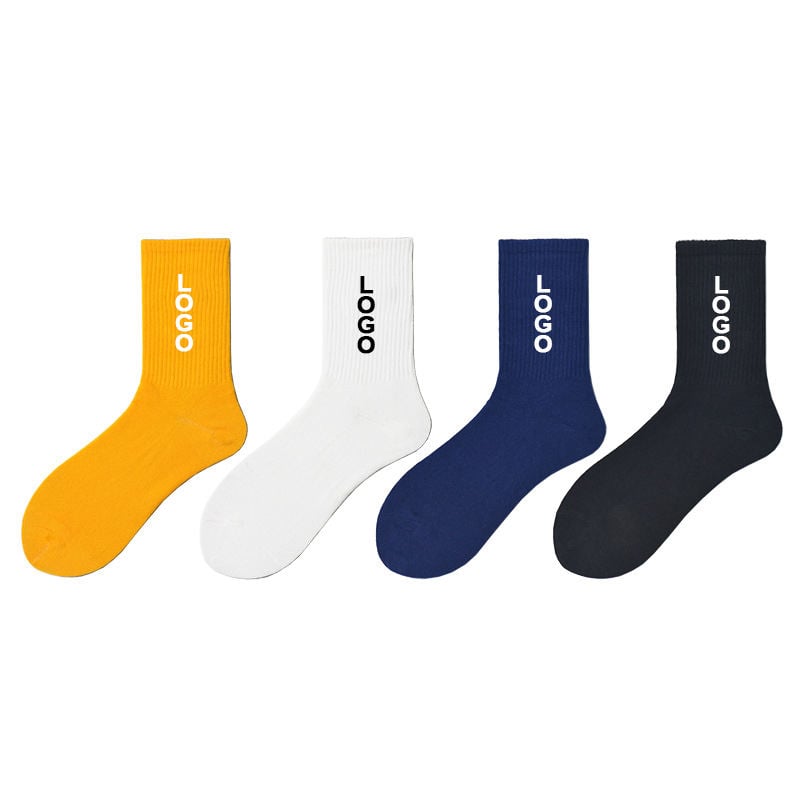
What materials go into making custom socks really affects how well they perform and last, especially when ordering in bulk quantities. Most athletic sock designs rely heavily on polyester blends because these fabrics hold up better over time. Tests showed polyester can be about 38% tougher than regular cotton when rubbed against surfaces repeatedly, according to research published last year. Cotton still gets chosen often for promotional items since people generally find it comfortable and allows air to circulate around the feet. However, cotton doesn't handle sweat very well during longer periods of activity. That's where nylon mixed with spandex comes in handy. These combinations actually help move sweat away from the skin, which cuts down on blisters by roughly half during intense physical activities. Recent studies looking at fabric performance indicated synthetic materials keep their original shape for much longer periods even after being washed dozens of times, something natural fibers just can't match.
Always request physical samples before committing to large-scale production. Reputable suppliers provide swatches to evaluate thickness, seam integrity, colorfastness, pilling resistance (tested via 50+ rub cycles), and shrinkage after laundering. These hands-on assessments help prevent costly quality issues post-manufacturing.
Sock style influences both functionality and branding impact:
According to a 2024 market analysis, ankle socks also enable faster turnaround–up to 41% quicker production–due to simpler construction.
When choosing socks, matching their height and build to what they'll be used for makes all the difference. Compression styles have become pretty much essential for most team sports these days. Meanwhile, companies buying in bulk tend to go for crew socks about 8 out of 10 times. If we're talking about promotional items though, fabric weight matters a lot. Socks around 200 to 220 GSM seem to hit that sweet spot between being comfortable enough to wear and holding up well when printed on. Looking at recent data from the 2024 Sports Apparel Survey tells us something interesting: nearly three quarters of athletes care most about staying dry during workouts. But here's where things get interesting - people who receive branded socks as gifts or swag actually prefer vibrant colors and eye catching designs over all those fancy technical specs.
Putting logos in spots where they get seen matters a lot for brand recognition. The ankle area or around the cuff works well since these parts stay visible even when someone is wearing shoes. Contrast helps too. Think about white embroidery against darker fabrics for better readability at a glance. When working with sublimation prints, getting those designs aligned properly with the seams makes all the difference. We've seen way too many products where the pattern gets stretched out after just a few wears. According to last year's Footwear Materials Report, almost 8 out of 10 shoppers link good color retention to how professional a brand looks. That means investing in quality UV resistant inks isn't just about looking good now but maintaining that sharp appearance over time.
Keeping things consistent between different production batches gets much easier when we set up those reusable design templates. These templates basically lock down all the important details like logo sizes, specific Pantone colors, and font choices. According to some research from last year, companies that use digital proofing systems instead of going through the whole manual review process see around a 40% drop in mistakes. We should really consider setting up a central storage system for all our vector files too. This way everyone inside the company plus the manufacturers can access what they need quickly, which is particularly helpful during those busy periods when multiple seasons or repeat orders are happening at once.
| Method | Best For | Durability | Cost per 1,000 Units |
|---|---|---|---|
| Embroidery | Small logos, tight knit fabrics | 50+ washes | $290 |
| Sublimation | Full-foot graphics, gradient colors | 30–40 washes | $180 |
Embroidery offers superior longevity but costs 38% more than sublimation for intricate designs (2023 Textile Cost Analysis). Sublimation works well on lightweight polyester blends but may fade faster in high-friction zones like heels.
Enhance durability in high-wear areas with double-stitched hems and reinforced toe boxes. A 2024 Custom Apparel Study found hybrid approaches–combining embroidered logos with sublimated patterns–extended sock lifespan by 22% for corporate clients. Always verify colorfastness claims by requesting certifications such as Oeko-Tex® for dyes prior to mass production.
Choose manufacturers with proven financial stability and scalable capacity to meet MOQs and accommodate volume adjustments. A 2023 textile industry survey linked 72% of bulk order delays to suppliers unable to scale production. Prioritize partners with ISO 9001 certification for quality management and OEKO-TEX® for material safety to ensure compliance and consistency.
The best manufacturers provide complete assistance throughout the entire process, starting with digital designs all the way through to actual sample products before full production begins. Take time to look at their portfolio of past work that includes tricky techniques such as color gradients or logos placed in multiple positions on garments. Make sure they give detailed technical specifications that include things like how many stitches per inch, exact Pantone color matches, and where extra reinforcement should be added to seams these details are really important when trying to keep quality consistent across large orders. These technical documents act kind of like construction plans that both the clothing company and manufacturing plant can refer to during production runs.
Implement a three-stage inspection process:
Manufacturers should offer real-time updates via platforms like Trello or Asana, with clear escalation paths for resolving quality concerns.
When looking at shipping options for large sock orders, companies need to find that sweet spot between what they spend and how fast things arrive. Air freight gets stuff there in about three to seven days, but comes with a price tag that's two to four times higher than regular ground shipping according to industry standards from last year. For international moves where we're talking thousands of pairs, sea freight becomes the wallet-friendly choice once orders pass around 5,000 pairs. A lot of sock makers actually give better rates when folks order in big volumes too. Orders hitting 5,000 units or more often get shipping savings of roughly 18 to 25 percent because everything gets packed together efficiently. The latest report from Inbound Logistics shows ground shipping has gotten noticeably faster since last year, improving delivery times by about 12% thanks to better routes and logistics setups across carriers. Don't forget to ask for those exact arrival dates when getting quotes so nothing clashes with important events or deadlines down the line.
Premium suppliers stand out because they communicate proactively from day one. Most top tier companies assign dedicated account reps who send regular production status reports every week plus instant notifications when something needs approval or there's a materials issue coming up. Many industry leaders have actually implemented ERP integration so customers can track shipments in real time. According to a recent study published last year in logistics management journals, this kind of visibility cuts down on shipping delays around 34 percent. For anyone working with international partners across different time zones, it's worth checking if the supplier offers support staff fluent in multiple languages and has someone available outside normal business hours too. This makes all the difference when trying to coordinate orders between continents without constant back and forth emails.
Getting things delivered on time means working backwards from when they actually need to arrive. Start planning at least two weeks ahead because stuff happens - customs checks take longer than expected sometimes, or there might be last minute changes needed. When launching products where timing matters a lot, many companies split their shipments. Send most of what's needed by ship around two months before launch date, then fly over whatever else is left closer to the event. This approach works really well for groups handing out promotional socks during races or conferences. Finding manufacturers who keep stock nearby makes all the difference too. With local warehouses, what would normally take a week or two across country gets here within just one to three workdays instead.
 EN
EN