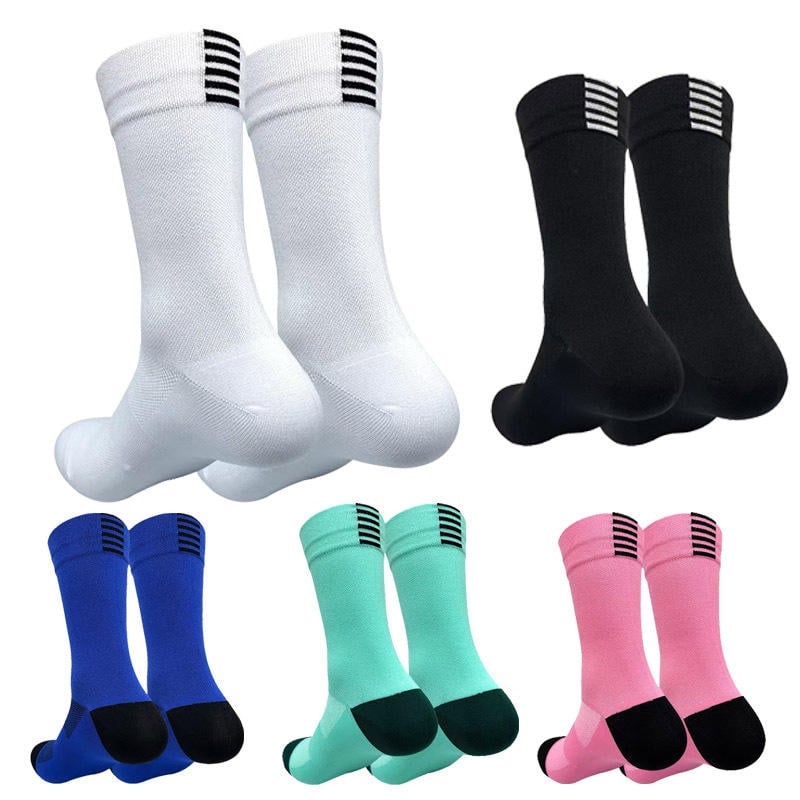
Hiking socks that wick away moisture help prevent blisters because they cut down on the friction caused by sweat getting trapped between the foot and sock. Sweat builds up over time and makes the skin softer, which is basically what leads to blisters when someone keeps moving around all day. The design of these socks involves two different layers working together. The inside layer attracts water and pulls it away from the skin, while the outside layer actually pushes the moisture out instead of letting it sit there. This whole process works kind of like how paper towels soak up spills. Tests show that this technology can keep feet about 43 percent drier compared to regular cotton socks, and this helps maintain healthy skin even after several hours of walking or climbing. Less dampness means less rubbing against the sock, and studies have found that this reduces the force causing blisters by roughly 30 percent according to various tests done on fabric friction.
Effective moisture management relies on evaporation’s cooling effect—each gram of evaporated sweat removes 2,427 joules of heat. High-performance socks enhance this process through:
This thermal regulation prevents foot temperatures from exceeding 35°C (95°F), the threshold where sweat overwhelms evaporation. Backpackers using moisture-wicking systems report 67% fewer hot-spot complaints during 10+ mile treks, according to 2023 trail surveys.
Merino wool can soak up around 30% of its own weight in moisture without actually feeling damp on the skin, which helps keep feet at a comfortable temperature even when weather changes throughout the day. The tiny fibers don't cause itching like regular wool does, plus there's natural lanolin in the fabric that fights smells something backpackers really appreciate after days on the trail. A recent study from last year looked at how different sock materials perform during actual hiking trips. People who wore merino wool socks ended up getting about 40% fewer blisters compared to folks with cotton socks. Most hikers attributed this difference to how well merino moves sweat away from the skin instead of letting it sit there and cause friction.
Synthetics excel in high-intensity environments. Polyester wicks moisture 50% faster than untreated merino wool, based on laboratory drying tests, making it ideal for rainy climates or frequent stream crossings. Nylon reinforcements in high-wear areas like heels and toes extend sock lifespan by 25% without sacrificing breathability.
Blends combine the strengths of natural and synthetic fibers:
| Material | Key Benefits | Ideal Use Cases |
|---|---|---|
| Merino Wool | Temperature regulation, odor control | Cold/dry or variable climates |
| Polyester/Nylon | Fast drying, abrasion resistance | Wet environments, rugged terrain |
| Merino-Synthetics | Moisture control + durability | Multi-day hikes, mixed weather |
A 2024 survey of 1,200 backpackers found that 72% prefer blended socks for trips over three days, citing consistent dryness and reduced maceration risk. Leading manufacturers now integrate merino’s comfort with synthetic resilience, producing socks that retain wicking efficiency after 50+ washes.
Modern moisture wicking hiking socks merge advanced textiles with podiatry insights to address common foot issues.
The seamless knitting technology basically gets rid of those pesky friction spots that cause about two thirds of all hiking blisters according to research published in the Journal of Sports Medicine back in 2023. The boots have extra padding built right where it matters most the front part near toes, around the heels, and behind the ankles too. This padding takes care of shocks without making feet sweat excessively. Plus there are these special fabrics woven into the material that pull away moisture, keeping everything inside pretty dry and reducing that annoying skin rubbing effect. For folks willing to spend a bit more money on premium models, expect somewhere between 40 to maybe even 60 percent better cushioning exactly where needed. These higher end versions tend to mold themselves better to different foot shapes over time, which makes them much more comfortable when climbing mountains for hours on end.
Graduated compression (15–20 mmHg) boosts circulation by 18% during prolonged descents (Wilderness & Environmental Medicine 2022). Anatomic arch braces reduce fatigue with elastic support that mimics natural movement that lasts much longer than competitors. The use of hydrophobic yarns in critical zones ensures that the accumulation of sweat is minimized, reducing the weight of the sock while maximizing comfort.
Graduated compression (15–20 mmHg) boosts circulation by 18%, reducing leg fatigue on steep descents and improving support for anatomic arches with firm cushioning. Dual-density yarn patterns keep feet 35% more comfortable than thick socks, according to a 2022 analysis of hiker physiology and textiles.
Socks should fit snugly without restriction, achievable by:
Durability features like reinforced toes and heels, flat seams, and moisture barriers offer the greatest cost-per-wear value, lasting 100+ uses without wicking degradation compared to factory standards
 EN
EN