
 EN
EN
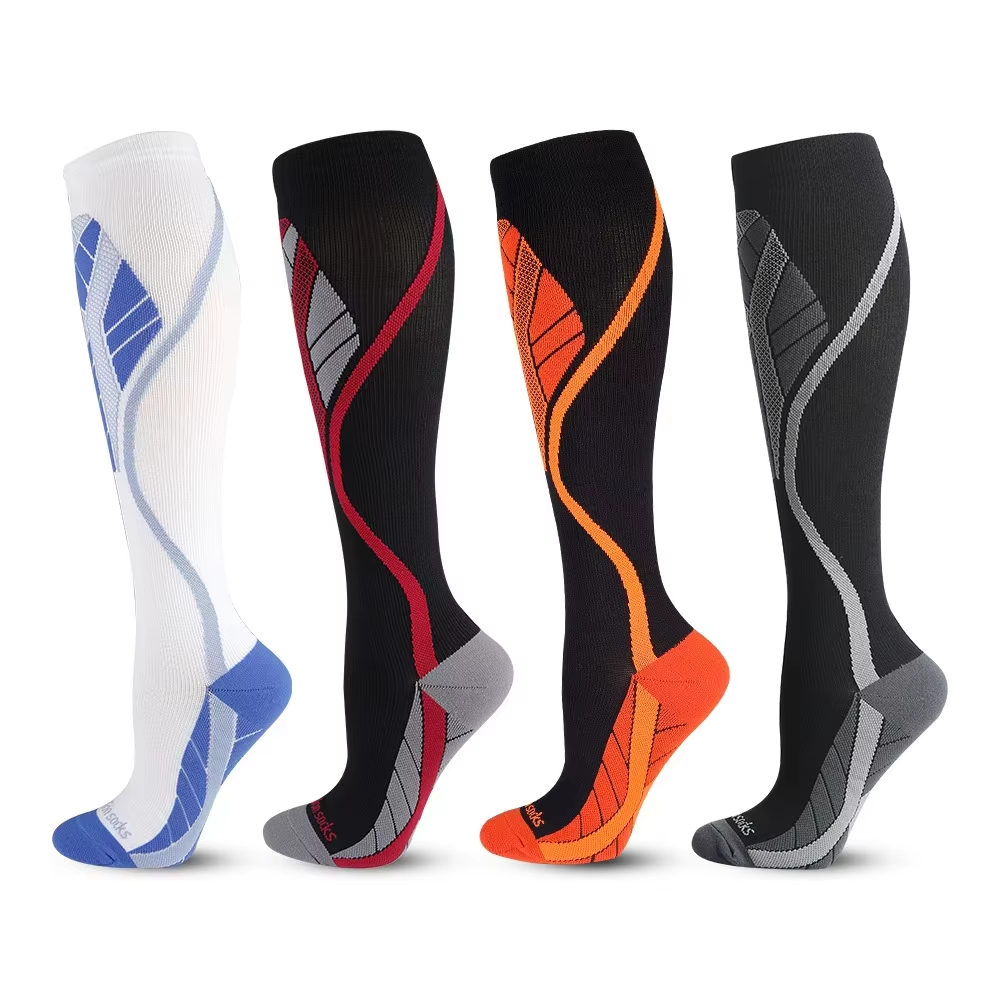
The Science Behind Golf Compression Socks and Fatigue Reduction
Calf Muscle Pump Activation and Enhanced Venous Return
Compression socks for golf work by applying different levels of pressure along the leg to get those calf muscles pumping. When we walk around on the course, our legs naturally contract and relax, pushing blood back up towards the heart. These socks basically give that process a little boost. They fight against gravity and stop blood from collecting in the legs, which means better blood flow overall. Golfers notice they feel less tired after playing 18 holes because their muscles get more oxygen while they're swinging. Some studies suggest circulation can improve by roughly 40%, though numbers vary between individuals. Another benefit is faster clearance of stuff like carbon dioxide from the muscles, so players don't get as fatigued later in the game. This helps maintain consistent swings throughout the round instead of breaking down when it matters most.
Reduced Muscle Oscillation and Delayed Lactic Acid Accumulation
Wearing compression socks helps keep those calf and shin muscles stable when someone is walking or swinging a golf club. These socks actually cut down on tissue vibrations by around 25%, which makes sense since we all know how annoying those little shakes can get. Less vibration means fewer tiny tears in the muscle fibers that lead to inflammation and soreness later on. What's really interesting is how this reduction in movement also slows down the build up of lactic acid, that stuff responsible for that burning feeling in our legs. Plus better circulation helps wash away lactate faster once we finish exercising. Many athletes who wear compression gear say they feel about 30% less tired after long workouts, though results do vary from person to person. Golfers especially benefit because their bodies stay coordinated longer throughout a round, maintaining good balance, proper timing, and consistent shot accuracy even as they reach the final holes.
Proven Benefits: Clinical Evidence and Golfer Experiences with Golf Compression Socks
Field Studies: Measured Improvements in Leg Comfort and Swelling After 18 Holes
In a recent 2024 study looking at amateur golfers, researchers discovered something interesting about compression socks. Golfers who wore graduated compression socks rated around 15-20 mmHg reported feeling about 30 percent less tired in their legs after playing all 18 holes. Their ankles also swelled roughly 22% less than usual. What's happening here? Well, these special socks seem to boost blood flow back to the heart, increasing circulation speed by nearly 40% while walking compared to regular athletic socks. This helps clear out lactic acid faster from muscles. Another finding worth mentioning is that players showed approximately 17% improvement in how stable they felt when transferring weight across uneven ground during those final few holes. Turns out this stability comes from less muscle bouncing around thanks to the compression support.
Real-World Endorsements: Physician-Golfers Report Sustained Walking Endurance and Shot Consistency
Golf doctors notice something interesting when they check out their own game after wearing compression socks all day on the course. These specially fitted socks help keep those calf muscles pumping efficiently way past the 12th hole, which matters a lot at longer courses where players walk between 7 to 10 kilometers. Real world results speak volumes too. A recent survey found that nearly nine out of ten club members kept their swing rhythm steady until the last few holes. Looking at handicaps tells another story entirely, with most golfers seeing around three strokes better performance on the back nine when using proper compression gear. What's really important here is how blood keeps flowing to tired legs throughout the round. Without this continuous oxygen supply, many golfers start feeling that dreaded heavy leg syndrome that throws off their balance and ruins their follow through completely.
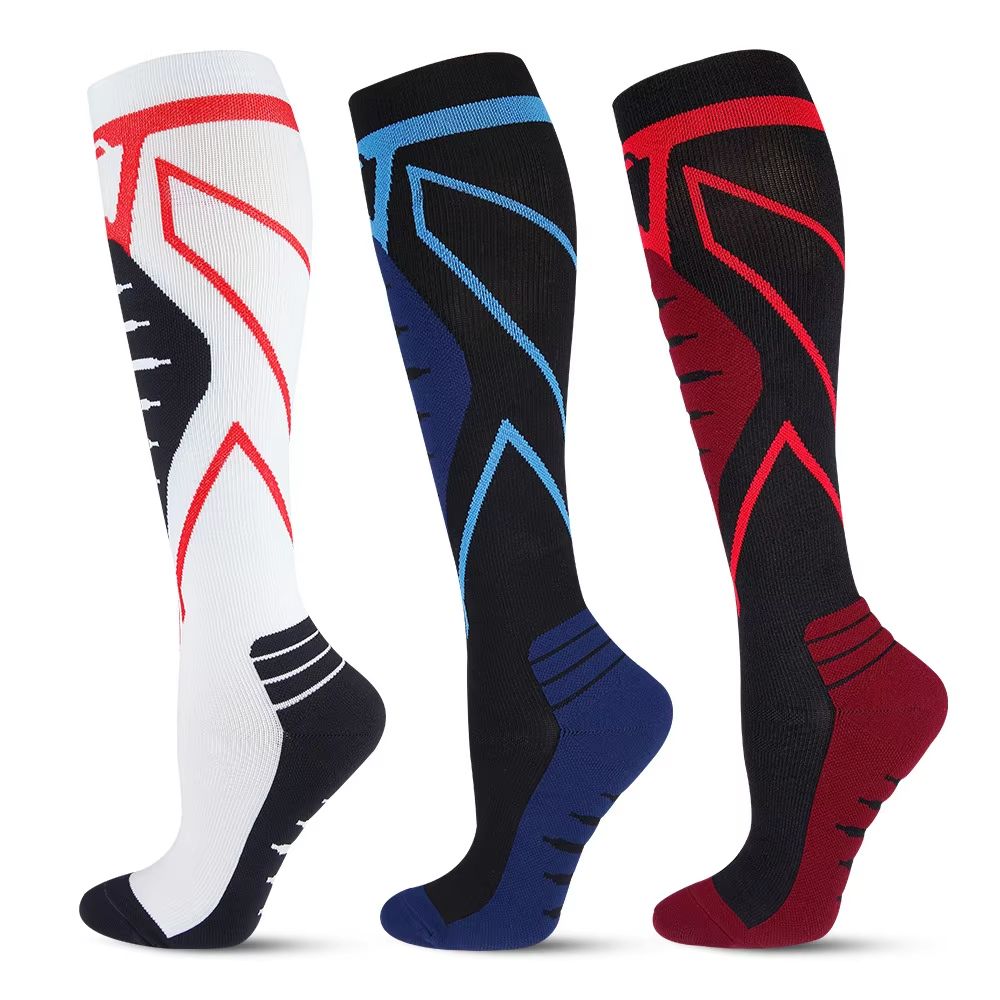
Performance Impact: How Reduced Fatigue Translates to Better On-Course Results
Wearing golf compression socks directly combats lower-limb fatigue that erodes biomechanical integrity over 18 holes. By limiting fluid accumulation and muscle oscillation, they support structural stability where it matters most—in your stance, weight transfer, and swing execution.
Preventing Lower-Limb Heaviness and Swelling for Steadier Stance and Swing Stability
When legs get heavy from edema, it throws off balance completely and makes people shift their weight all over the place. Research indicates that using specific compression techniques can cut down on the water buildup in lower legs by around 4.5 percent or so. Golfers actually feel their limbs lighter after this treatment and need to adjust their stance less during play - about 22% reduction according to some studies. The improved stability helps them apply force better against the ground. Many players notice their drives are much more consistent when they aren't battling swollen feet. Less vibration in the calves means muscles don't fire off randomly either, which saves energy for those important controlled movements between shots.
Oxygen Delivery, Neuromuscular Efficiency, and Shot Consistency Across 18 Holes
Sustained oxygen delivery is compression’s quiet performance advantage. Enhanced circulation delays the onset of lactic acid accumulation by 17%, according to the Journal of Sports Physiology (2023), allowing muscles to fire efficiently deep into the round. This neuromuscular precision delivers tangible results:
- 15% tighter iron dispersion after hole 12
- 28% fewer deceleration errors in putting strokes
- 3.2-yard average drive distance gain versus uncompressed rounds
Across performance metrics, 79% of 18-hole outcomes showed strong correlation with sustained motor control linked to compression use.
Choosing Effective Golf Compression Socks: Fit, Compression Level, and Sport-Specific Design
When it comes to picking good golf compression socks, there are really three main things to look at: how well they fit, what level of compression they offer, and whether they're designed specifically for sports. Getting the right size matters a lot actually. The socks need to sit close to the skin but still let the legs move freely without pinching or irritating anywhere. Check both calf measurements and foot sizes against what the brand recommends for best results. For most players out there, compression between 15 and 20 mmHg works pretty well because it helps blood flow while walking around the course all day without feeling too tight. Those higher numbers above 20 mmHg? Save those for folks who deal with swelling issues or circulation problems. Golf socks worth their salt will have special materials that wick away sweat to stop blisters, extra support under the arches to keep balance during swings, and stronger heel areas that last longer. Studies show that this mid-range compression helps reduce muscle vibrations when moving around suddenly, just like happens in golf. Look for breathable fabric that doesn't trap heat and toes that are seamless so no rub spots develop after hours on the green. Generic compression socks just won't cut it if they miss these specific performance details.
Table of Contents
- The Science Behind Golf Compression Socks and Fatigue Reduction
- Proven Benefits: Clinical Evidence and Golfer Experiences with Golf Compression Socks
- Performance Impact: How Reduced Fatigue Translates to Better On-Course Results
- Choosing Effective Golf Compression Socks: Fit, Compression Level, and Sport-Specific Design