
 EN
EN
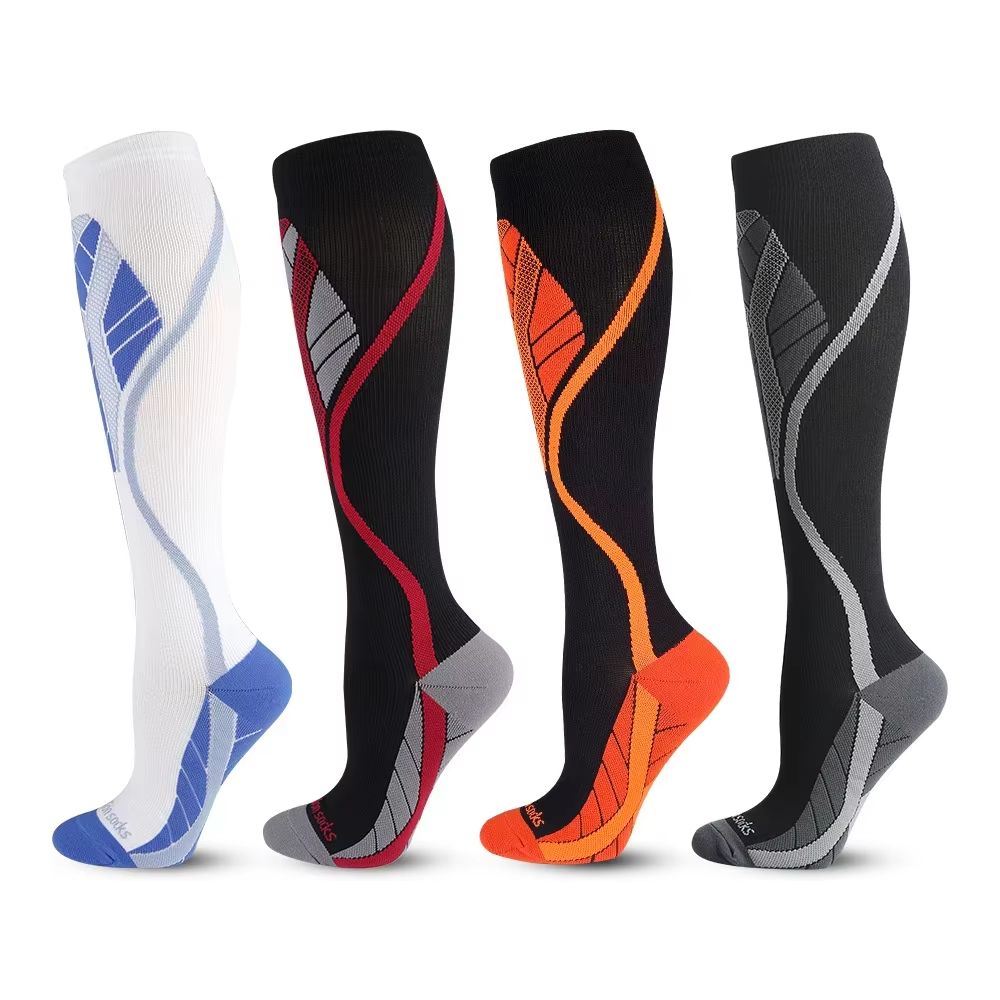
Superior Impact Absorption and Force Distribution
Reinforced Heel and Toe Cushioning: How Strategic Thickness Dissipates Landing Forces
Athletic socks with extra thickness have special padding in areas where feet take the most beating, turning shock into something safer for our bodies. When heels hit pavement while sprinting or leaping, those reinforced sections squish slowly instead of snapping back immediately. Tests show this can cut down stopping power by around 25% versus regular sock designs. Think of it as similar to car safety features that collapse on impact. The padding soaks up all that movement energy before it gets to sensitive parts like bones and tendons. Instead of letting pressure build up in one spot, these socks actually spread out the bounce across the whole bottom of the foot. This means less sudden stress on knee and ankle joints. Basketball athletes who drop down after grabbing rebounds, or hikers braving rough terrain, benefit greatly from this kind of protection. Over time, such reduced strain helps avoid small injuries that might develop into bigger problems like plantar fasciitis.
Cushioning Density vs. Bulk: Why Advanced Thick Athletic Socks Optimize Energy Return Without Sacrificing Responsiveness
High quality athletic socks offer protection without slowing down movement thanks to special foam structures that bounce back quicker than regular padding does. Regular bulky socks tend to numb the feet, but newer designs incorporate something called gradient density mapping. The bottom layer is firmer for support, while the top remains soft enough to cushion impacts effectively. Studies on how feet move suggest these smart sock designs actually return about two thirds of the energy compressed when pushing off the ground, helping runners maintain better form without losing touch with what's happening beneath their feet. Marathon runners pick up tiny fractions of seconds over long distances, whereas tennis players stay alert to every detail on court even when making sharp side steps. What makes all this possible? Special materials known as viscoelastic polymers act somewhat like those strange substances that get stiff when hit hard but remain flexible otherwise. These properties allow the socks to adapt intelligently to different types of movements throughout exercise sessions.
Proven Injury Prevention and Blister Resistance
Seamless Construction and Targeted Padding: Friction Control for Repetitive Motion
Toe closures without seams help prevent those annoying ridges that cause friction when moving side to side. Special padding has been added where feet tend to rub most, like around the heel and ball of the foot area, which takes care of the rubbing force from stopping and starting again. According to some research on how our bodies move, this kind of design cuts down on blisters by almost half. The thick cushioning works sort of like a shock absorber, taking away the impact before it gets to the actual skin during all that jumping and turning around. Regular thin socks just don't hold up as well over time. These ones stay strong even after many impacts and still fit comfortably against different foot shapes.
Clinical Evidence: Thick Athletic Socks Reduce Stress-Related Foot Injuries by 29% (ACSM, 2023)
In 2023, the American College of Sports Medicine published findings showing that athletes who wore thicker athletic socks had about 29% fewer instances of stress fractures and plantar fasciitis problems. Looking at data collected from around 1,200 runners, the research team linked these benefits mainly to better force distribution across the foot. They noticed something interesting too: there was roughly a 34% drop in peak pressure on the heel when striking the ground. What makes these socks work so well? The design has two layers working together. Inside is a layer that pulls sweat away from the skin, which helps prevent blisters and other skin issues. Outside, compression areas help keep joints stable during movement. According to the study results, finding just the right balance between sock thickness and material density seems key. The socks need to be thick enough to provide good support without feeling too heavy, allowing athletes to maintain their sense of body position and movement throughout training sessions.
Moisture Management and Thermal Regulation During Intensity
Dual-Layer Fabric Architecture: Wicking Core + Breathable Mesh Enhances Dryness and Comfort
When athletes push themselves hard, their feet can sweat a ton - sometimes as much as 800-900 milliliters an hour at maximum effort. That's why modern thick athletic socks are designed with two main layers. The inside layer is made to soak up sweat quickly from the skin, which helps reduce those annoying blisters by about 40%. Then there's the outside part, which has breathable mesh material that lets moisture escape through tiny channels while keeping air flowing around the foot. Together these features help keep things comfortable inside the shoe. They stop your feet from getting too hot when working out and provide some protection when temperatures drop after exercise stops. Tests actually found that these double-layer socks cut down on surface moisture by roughly two thirds compared to regular single layer socks, making them much better for long runs or training sessions where comfort matters most.
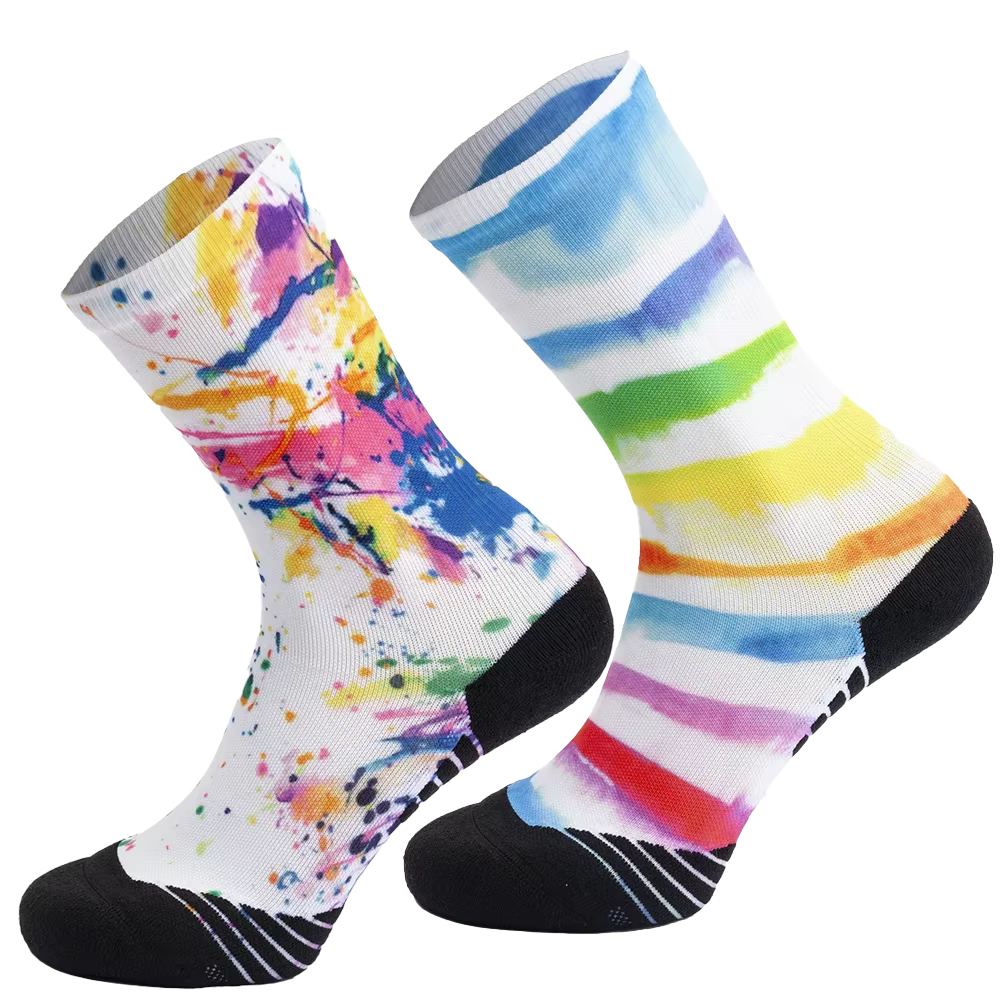
Enhanced Ankle Support and Biomechanical Stability
Graduated Compression Zones in Thick Athletic Socks Improve Proprioception and Joint Alignment
Compression zones that are tighter around the arch and ankle area but get lighter as they move up toward the calf help improve body awareness and keep joints properly aligned when moving around. Studies in sports medicine have actually shown that this kind of focused support can cut down on missed steps by about 20 something percent during activities like cutting sideways, jumping, or sprinting. Regular compression isn't quite as effective because it doesn't target specific areas. Graduated compression works better at reducing muscle wobble without cutting off blood flow, so athletes stay agile longer. Plus, the extra material helps soak up those sudden sideways forces when changing direction quickly, which means fewer chances of rolling an ankle. These socks basically work with how our bodies naturally move instead of fighting against it, giving stability where needed without restricting movement too much. That makes them really useful for any sport where quick turns and controlling movement in all directions matters.