
 EN
EN
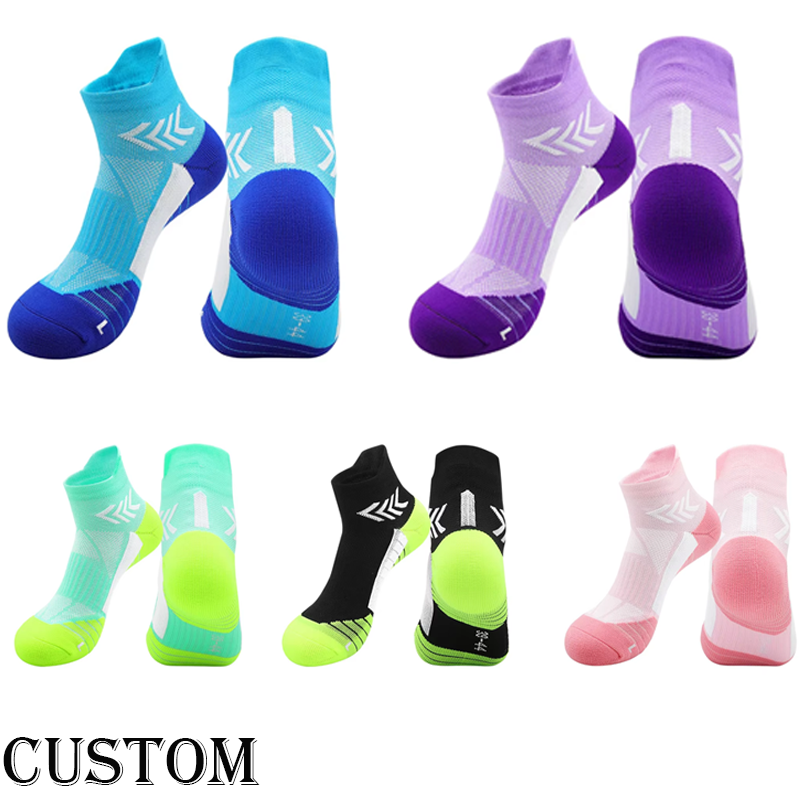
Breathability and Moisture Management in Cotton Sports Socks
How Cotton’s Natural Fiber Structure Enhances Airflow and Skin Comfort
The hollow fibers in cotton create tiny air pockets that keep feet cool by allowing air to circulate naturally throughout the day. Most synthetic materials come with chemical treatments that actually block airflow and can make feet sweat more. Cotton doesn't have these coatings, so it stays breathable without all that extra stuff. Because of this natural ventilation, cotton sports socks tend to cause less irritation from rubbing against the skin. People with sensitive feet often find them comfortable for everyday activities such as walking around town or doing some basic gym workouts where intense sweating isn’t really an issue.
Moisture Absorption vs. Drying Speed: Real-World Performance in Low-to-Moderate Intensity Activities
Studies on fabric performance show cotton soaks up moisture about 30 percent quicker than those polyester mix fabrics out there. Sure, it doesn't dry as fast as synthetic materials do, but honestly, who cares much for that during regular activities? Think about it: working out at the gym for an hour, going for a bike ride on the weekend, or just taking a walk around town. Cotton keeps sweat right where it lands on our skin instead of letting it slide around underneath clothes. That means fewer blisters from fabric rubbing against wet skin. Most people find they prefer cotton anyway because it feels nicer against their skin and handles normal amounts of sweat just fine without all the fuss about quick drying.
Durability and Fit: Why Cotton Blends Excel in Daily Sports Use
Most people reach for cotton-polyester blends when they need everyday sports socks because these combinations offer both the softness of natural fibers and the durability that synthetic materials bring to the table. The sweet spot seems to be around 65% cotton mixed with 35% polyester. Cotton keeps feet comfortable and allows air to circulate, which is important for staying cool during activity. Polyester adds strength so the socks don't stretch out or wear down after multiple washes. Even simple activities like walking around town or playing a quick game of tennis benefit from this mix. According to a study mentioned in Textile Performance Journal last year, socks made with this blend actually stay tighter around the heels and toes about 40% better than regular all-cotton socks. That means less slipping and sliding while still getting proper ventilation where it matters most.
Optimal Cotton-Polyester Ratios (e.g., 65/35) for Shape Retention and Light-Impact Support
A 65/35 mix of cotton and polyester keeps the material looking good after over 50 washes and still provides decent cushioning for those lighter movements. The way it's woven crosses over itself which spreads out the pressure where feet really need it most, especially around the balls of our toes. This actually reduces blisters by about 30 percent when people are doing things like hiking trails or working out in circuits. What makes this combination special is how it doesn't get stiff like totally synthetic materials tend to do. Feet stay flexible enough for side-to-side motions and maintain their natural bending without restriction.
Elastic Integration and Targeted Arch Support in Modern Cotton Sports Socks
Contemporary cotton sports socks integrate 5–10% spandex to deliver dynamic, adaptive support. Strategically placed elastic bands:
- Stabilize the midfoot arch without constriction
- Prevent slippage during sudden stops or directional changes
- Use breathable, non-occlusive yarns to maintain thermal regulation
Targeted compression zones enhance circulation in the plantar fascia—supporting stability during prolonged standing or easy-paced runs. Unlike rigid synthetic alternatives, these elastic elements move with the foot, eliminating pinch points and pressure hotspots.
Climate-Adaptive Thickness: Selecting the Right Cotton Sports Socks for Seasonal Comfort
Thin (3mm) vs. Thick (6mm) Constructions: Thermal Regulation and Breathability Trade-offs
Sports socks made from cotton come in different thicknesses that work better for specific seasons. The thinner ones at around 3mm help sweat evaporate faster and let air circulate, which makes them great for running in hot weather or doing intense workouts when feet tend to overheat. On the flip side, thicker 6mm socks pack fibers more tightly together so they trap heat closer to the skin. These provide real insulation during winter hikes or walks when temperatures drop, keeping toes warm without feeling too stuffy inside shoes.
| Thickness | Best For | Thermal Performance | Breathability |
|---|---|---|---|
| 3mm | Summer/high intensity | Low insulation | High airflow |
| 6mm | Winter/low impact | High warmth | Moderate airflow |
Three millimeter socks tend to dry about 30 percent quicker according to some textile lab tests, though they don't provide much cushioning at all. Thicker socks do a better job of absorbing impact but might stay wetter for longer periods when it's humid outside. If someone wants something that works throughout the seasons, medium weight cotton athletic socks around four to five mm thick seem to hit the sweet spot. They let air circulate reasonably well, have enough padding without being too bulky, and keep feet comfortable whether temperatures are rising or falling during outdoor activities.
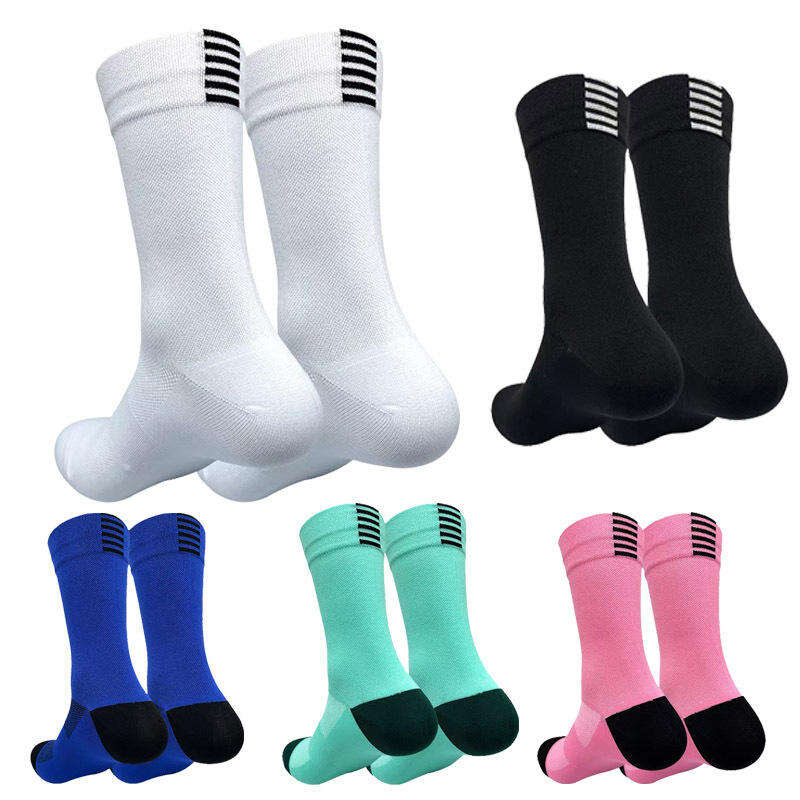
Cotton Sports Socks vs. Synthetics: Practical Performance Differences for Everyday Wear
When it comes to regular day-to-day activities, cotton sports socks just beat out their synthetic counterparts in several key areas like how they feel against the skin, how well they let air through, and that nice soft touch we all appreciate. Sure, polyester and similar fabrics are great at pulling sweat away when someone is really pushing themselves hard for long periods, but cotton has something special going for it too. The way cotton naturally soaks up moisture combined with its loose fibers actually helps regulate body temperature better during normal stuff like running errands or doing chores around the house. Plus, there's no weird chemical coating or plasticky feel that can irritate sensitive feet after wearing them all day. For things like walking around town, hitting the gym for a quick workout, or even some casual hiking on local trails, cotton handles sweat just fine while keeping those toes comfortable. Many brands now offer blends too, mixing about two thirds cotton with one third polyester which gives extra strength and keeps the socks from sagging over time. At the end of the day, what works best really depends on what people need. Synthetics still rule the roost for top athletes needing maximum performance, but if comfort, breathability, and being gentle on the skin matters most, then cotton sports socks simply can’t be beaten for everyday wear.
Table of Contents
- Breathability and Moisture Management in Cotton Sports Socks
- Durability and Fit: Why Cotton Blends Excel in Daily Sports Use
- Climate-Adaptive Thickness: Selecting the Right Cotton Sports Socks for Seasonal Comfort
- Cotton Sports Socks vs. Synthetics: Practical Performance Differences for Everyday Wear