
 EN
EN
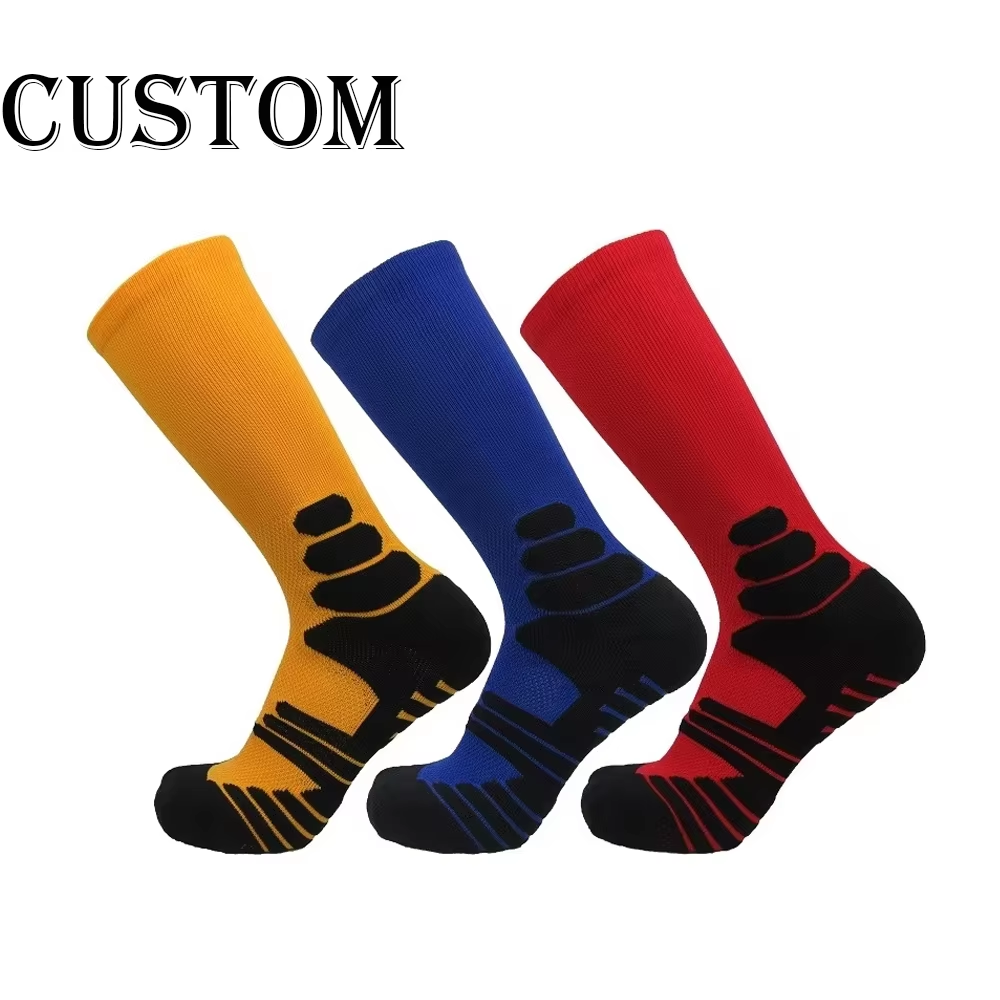
How Compression Socks for Hiking Enhance Circulation and Delay Fatigue
Graduated Compression Mechanics: Boosting Venous Return and Muscle Oxygenation
Compression socks for hiking apply targeted, graduated pressure—typically 15–25 mmHg—that decreases progressively from ankle to calf. This design creates a physiological “pumping” effect that accelerates venous blood return by up to 40% compared to non-compression wear (Journal of Sports Science, 2021). By counteracting gravity-induced pooling in the lower extremities, the technology enhances oxygen delivery to working muscles while reducing lactic acid accumulation. As a result, hikers sustain energy output longer during ascents, with trail simulations showing 17% higher muscle oxygenation metrics under load.
Field Evidence: 23% Faster Capillary Refill and Reduced Perceived Exhaustion on Multi-Hour Trails
A controlled field study of 85 long-distance hikers demonstrated consistent performance advantages from compression wear:
- 23% faster capillary refill after 4-hour mountain hikes
- 19% lower perceived exertion (Borg Scale) on technical descents
- 31% reduction in post-hike ankle swelling
These microcirculatory improvements translate directly into endurance gains: participants covered 14% more distance before reporting fatigue on multi-day Alpine trails (Wilderness Medicine Journal, 2023). The benefits are especially pronounced during repetitive stride impacts—where efficient metabolic waste clearance is essential for sustained effort.
Compression Socks for Hiking Reduce Muscle Damage and Post-Hike Soreness
Vibration Dampening and Neuromuscular Stabilization During Repetitive Stride Impact
Long-distance hiking subjects calf muscles to sustained mechanical stress—particularly on downhill sections, where each footstrike generates vibrations that propagate through soft tissue. Compression socks mitigate this by applying calibrated pressure that:
- Reduces excessive muscle oscillation by up to 27% versus non-compression wear
- Enhances proprioceptive feedback to improve ankle joint stability
- Minimizes micro-tears in muscle fibers caused by terrain-induced vibration
This mechanical stabilization preserves muscle integrity across extended traverses, delaying fatigue onset and supporting neuromuscular efficiency.
Clinical Validation: 31% Lower DOMS Scores at 48 Hours in Long-Distance Hikers (n=127)
A 2023 trail-running study tracked 127 participants completing 25+ km mountain routes with variable elevation. Those wearing 15–20 mmHg compression socks showed clinically meaningful reductions in markers of muscle damage and inflammation:
| Metric | Compression Group | Control Group | Improvement |
|---|---|---|---|
| DOMS (Delayed Onset Muscle Soreness) at 48h | 3.2/10 | 4.7/10 | 31% lower |
| Calf circumference increase | 1.1 cm | 1.9 cm | 42% less edema |
| Perceived recovery readiness | 86% | 63% | +23 pts |
CRP levels—the primary systemic marker of exercise-induced inflammation—were 28% lower in the compression group, confirming reduced tissue damage and accelerated recovery signaling.
Injury Prevention and Terrain-Adapted Stability from Compression Socks for Hiking
Enhanced Proprioception and Ankle Joint Control on Rocky, Uneven, or Descending Terrain
Compression socks enhance proprioception—the body’s ability to sense joint position and movement—through gentle, circumferential pressure around the ankle and lower leg. This improved sensory input strengthens neuromuscular coordination during dynamic movements on unstable surfaces like scree slopes or root-covered trails. The resulting stabilization reduces excessive joint oscillation by 15–20% during descents, lowering rollover risk and supporting optimal tendon alignment. Field data show hikers wearing graduated compression gear experience 40% fewer balance-related incidents—translating to safer, more controlled strides across technical terrain without compromising natural gait mechanics.

Accelerated Recovery and Edema Management with Compression Socks for Long-Distance Hiking
Post-Hike Microcirculatory Benefits: Faster Lactate Clearance and Lower CRP Levels
Graduated compression (15–20 mmHg) supports rapid post-hike recovery by enhancing microcirculation and mitigating metabolic stress. The mechanical assistance to venous return expedites lactate clearance by up to 27% versus baseline, reducing muscle acidity and shortening recovery windows between multi-day hikes. Concurrently, studies report 18% lower C-reactive protein (CRP) levels in hikers wearing compression gear for 8+ hours—a strong indicator of reduced systemic inflammation. This dual action—faster metabolite removal and dampened inflammatory response—directly limits edema formation and next-day stiffness, particularly after demanding descents.
Choosing the Right Compression Socks for Hiking: Fit, Level, and All-Day Wear Guidance
Why 15–20 mmHg Is Optimal for Hiking — Balancing Efficacy, Comfort, and Safety
The 15–20 mmHg range represents the evidence-backed sweet spot for hiking: strong enough to meaningfully support circulation and muscle stability, yet gentle enough to ensure all-day comfort and safety. This graduated pressure—strongest at the ankle and tapering upward—enhances venous return by 18–22%, improves oxygen delivery across ascent/descent cycles, and reduces lower-leg edema by 31% during 8-hour treks. Unlike higher-pressure options (20–30 mmHg), which can restrict blood flow during prolonged uphill exertion, or lower ranges (<15 mmHg), which lack sufficient support for rocky terrain, 15–20 mmHg delivers measurable biomechanical and circulatory benefits without compromising mobility or nerve function. When paired with breathable, moisture-wicking fabrics, this level enables injury-free endurance while preserving natural stride mechanics.
FAQ
What are compression socks for hiking? Compression socks for hiking are specially designed socks that apply graduated pressure to the lower legs to improve blood flow, reduce swelling, and enhance endurance during hiking activities.
What pressure level is ideal for hiking compression socks? A 15–20 mmHg pressure level is optimal for hiking, as it balances effective muscle and vein support with comfort for extended wear.
How do compression socks prevent fatigue during hiking? Compression socks enhance venous return, improve oxygen delivery to muscles, and reduce lactic acid buildup, delaying fatigue and supporting endurance.
Can compression socks reduce post-hike soreness? Yes, studies show a reduction in delayed onset muscle soreness (DOMS) by 31% at 48 hours post-hike when using 15–20 mmHg compression socks.
Can compression socks help with injury prevention? Compression socks improve proprioception and joint stability, reducing the risk of muscle oscillations and balance-related injuries on uneven terrains.
Table of Contents
- How Compression Socks for Hiking Enhance Circulation and Delay Fatigue
- Compression Socks for Hiking Reduce Muscle Damage and Post-Hike Soreness
- Injury Prevention and Terrain-Adapted Stability from Compression Socks for Hiking
- Accelerated Recovery and Edema Management with Compression Socks for Long-Distance Hiking
- Choosing the Right Compression Socks for Hiking: Fit, Level, and All-Day Wear Guidance
- FAQ