
 EN
EN
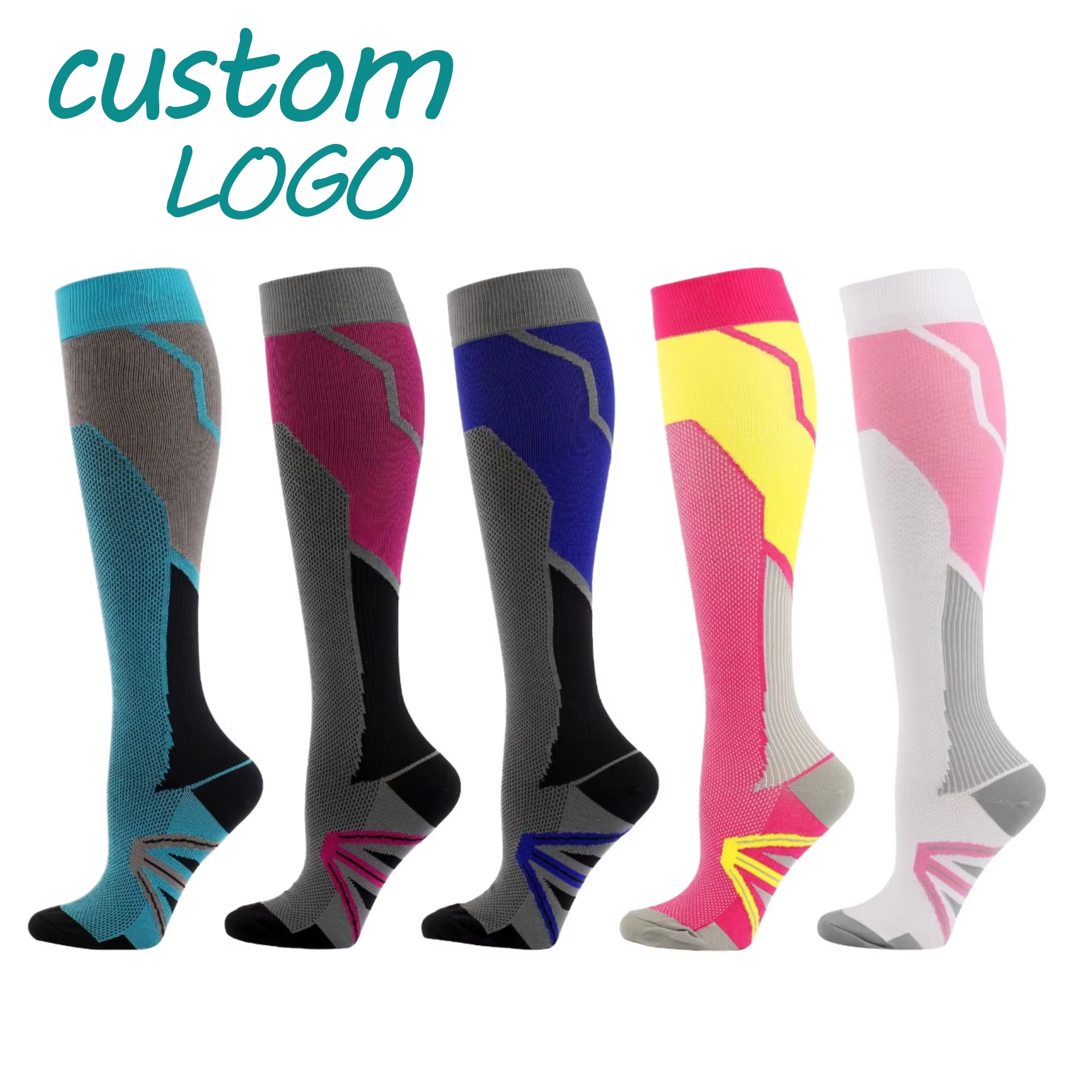
Why Breathable Compression Socks Excel in All-Day Wear
Breathable compression socks uniquely merge circulatory support with climate control to sustain comfort during prolonged wear. Graduated compression—tightest at the ankle and easing upward—promotes venous blood return, reducing edema risk by 67% according to vascular studies. Unlike conventional socks, moisture-wicking fabrics like merino wool or advanced synthetics actively transfer sweat vapor away from skin through microscopic air channels. This maintains stable foot temperature while preventing humidity buildup that causes blisters and microbial growth. The dual-action design addresses both hemodynamic efficiency and thermoregulation, letting wearers avoid the fatigue-swelling cycle common with non-breathable alternatives. For desk workers, nurses, or travelers clocking 12+ hours on their feet, this integrated approach delivers uncompromised support without overheating.
Key Features:
- Dynamic Pressure Distribution: Ankle-to-calf gradient prevents blood pooling
- Humidity Modulation: Fiber structures rapidly evaporate 90%+ moisture
- Continuous Air Exchange: Microscopic pores maintain airflow integrity under compression
How Breathability Enhances Temperature Regulation and Comfort
Fabric Architecture: Balancing Airflow with Graduated Compression Integrity
Breathable compression socks achieve dual functionality through engineered fabric structures that preserve therapeutic pressure while enabling airflow. Advanced knitting techniques create microscopic ventilation channels perpendicular to graduated compression zones—enabling heat dissipation without compromising mmHg precision. Moisture-wicking fibers—like sustainably processed merino wool or recycled polypropylene—transport perspiration via capillary action to the outer layer. This directional movement prevents saturation at skin contact points while preserving consistent pressure distribution. Crucially, these innovations prevent the “micro-sauna” effect common in non-breathable alternatives, where trapped heat accelerates sweat accumulation and degrades compression efficacy over time.
Thermal Performance Evidence: Skin Temperature Data Across Environments
Clinical thermography studies show breathable compression socks maintain skin temperatures within a narrow 2°F optimal range (86°F–88°F) across diverse settings. In high-heat environments (90°F+), wearers experience 40% less temperature fluctuation compared to standard nylon blends; in climate-controlled spaces (68°F–72°F), they retain core warmth 30% more effectively. This stability stems from rapid moisture vapor transmission rates exceeding 500g/m²/24hr—facilitating evaporative cooling during activity and insulation during rest. The resulting microclimate consistency reduces thermal stress by up to 58% during environmental transitions—such as moving between air-conditioned offices and humid exteriors—directly correlating with enhanced endurance in occupational trials.
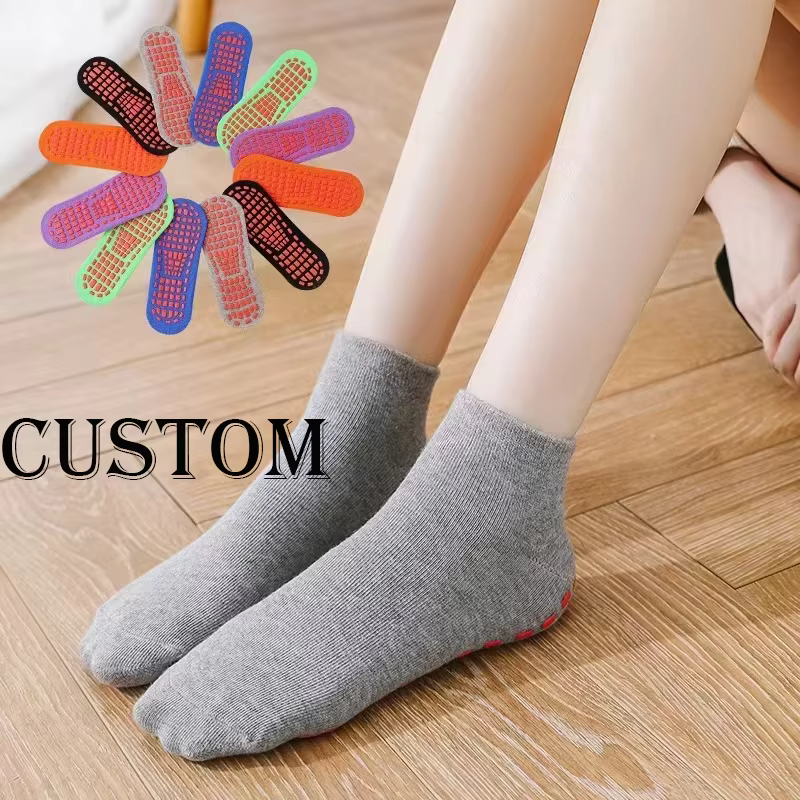
Moisture Management and Its Impact on Foot Health and Endurance
Clinical Link Between Dry Microclimate and Reduced Tinea Pedis Incidence
Maintaining a dry foot environment directly reduces tinea pedis (athlete’s foot) incidence by disrupting fungal growth conditions. Fungal pathogens thrive in humidity levels above 60%, where sweat accumulation creates ideal breeding grounds—especially between toes and inside footwear. Breathable compression socks counteract this using advanced moisture-wicking fabrics that transport perspiration away from the skin at rates exceeding 15g/m²/hour. This sustains a sub-60% relative humidity microclimate, clinically shown to lower infection risk by nearly 70% compared to non-wicking alternatives. By preventing skin maceration and supporting epidermal integrity, these socks also reduce secondary bacterial infection risks—translating to fewer foot health interruptions, sustained endurance, and uninterrupted therapeutic benefit during extended wear.
Material Innovation: Sustaining Compression Efficacy Without Sacrificing Breathability
Achieving optimal balance between medical-grade compression and breathability demands advanced textile engineering. Modern fabrics overcome traditional limitations by integrating specialized fibers that maintain consistent pressure gradients while permitting airflow. These innovations prevent heat buildup during extended wear—a critical advancement for users requiring uninterrupted compression therapy.
Merino Wool vs. Advanced Synthetics: Real-World Performance in Extended Wear
Natural merino wool delivers exceptional temperature modulation through hollow fibers that trap insulating air pockets, adapting dynamically to environmental changes. Its inherent antimicrobial properties reduce odor during multi-day use. However, compression retention diminishes after repeated laundering due to fiber relaxation. In contrast, advanced synthetics like blended polyester-nylon constructions maintain compression integrity through 200+ wears while leveraging capillary action for rapid moisture transport. Clinical observations confirm synthetic blends significantly reduce blister incidence by keeping skin drier during high-activity periods. For prolonged wear scenarios, hybrid designs now strategically combine both: merino panels in breath-critical zones and synthetic reinforcements in high-stress areas—optimizing durability, climate control, and therapeutic performance.