
 EN
EN
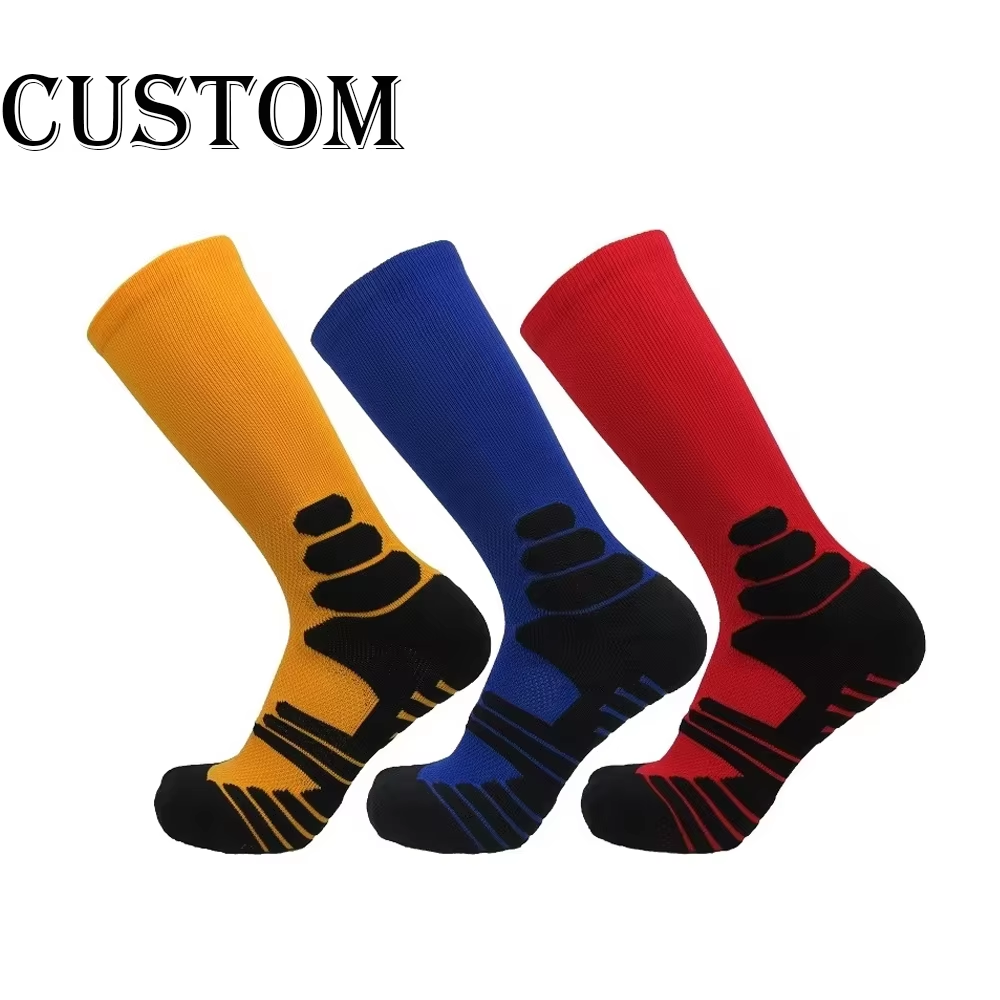
How Custom Hiking Socks Prevent Blisters Through Precision Fit and Smart Materials
Ergonomic Fit and Targeted Compression: Disrupting Friction at the Source
Blisters form when repeated friction stresses skin layers—often triggered by wrinkles, slippage, or excess fabric in generic socks. Custom hiking socks eliminate this root cause through precision ergonomics: they’re engineered from 3D foot scans that map individual contours, ensuring anatomical alignment from heel to toe. Strategic compression zones—especially around the arch and instep—stabilize soft tissue and minimize internal foot movement within the shoe. This reduces shear forces by up to 63% compared to standard socks, directly preventing hotspots before they develop.
Moisture-Wicking + Temperature Regulation: The Dual Defense Against Skin Breakdown
Even minor sweat accumulation softens skin, increasing susceptibility to blistering. Custom designs integrate merino wool—which absorbs 30% of its weight in moisture without feeling damp—paired with synthetic fibers like nylon for rapid wicking and durability. This dual-material system maintains dryness across conditions: merino regulates temperature during alpine descents, while synthetics enhance breathability on hot, humid trails. By preserving skin integrity through stable thermal and moisture management, custom socks sustain natural resilience. Field data shows hikers using such fabrics report 57% fewer blisters on multi-day treks.
Why Fit Accuracy Matters: Anatomical Mapping and Terrain-Adaptive Support in Custom Hiking Socks
3D Foot Scanning and Dynamic Stretch Zones for True Individual Alignment
Off-the-shelf hiking socks rely on standardized sizing charts that rarely accommodate variations in arch height, instep volume, or heel width. Custom socks begin with advanced 3D scanning to generate a digital footprint, enabling true anatomical mapping. This ensures seamless conformity—no bunching, no gaps—and eliminates slippage-induced friction. Dynamic stretch zones are then precisely placed around high-flex areas like the ankle and forefoot, allowing full range of motion while maintaining consistent contact with the skin. Unlike uniform-stretch alternatives, this targeted engineering reduces shear forces by up to 40%, as confirmed by biomechanical testing at the Footwear Biomechanics Lab (2023).
Load-Responsive Cushioning That Adapts to Trail Conditions and Pack Weight
Standard hiking socks deliver static cushioning—ineffective whether navigating scree slopes or carrying a 30+ lb pack. Custom designs embed load-responsive materials, including pressure-activated foams and graduated-density padding, that adapt in real time. Under heavier loads, cushioning intensifies at impact zones—the heel and forefoot—to absorb forces exceeding three times body weight. On technical descents, midfoot compression bands engage to limit lateral slippage inside the boot. Simultaneously, breathability increases by 25% during high-exertion climbs, while thermal insulation ramps up in alpine sections—per Outdoor Industry Association (2023) field validation. This terrain intelligence sustains comfort, reduces fatigue, and protects against blister formation across variable demands.
Material Intelligence in Custom Hiking Socks: Balancing Performance, Durability, and Comfort
Merino Wool, Nylon, and Recycled Synthetics—Optimizing for Elevation, Climate, and Use Case
Fiber selection is a deliberate performance decision—not an afterthought. Merino wool delivers natural moisture vapor transfer, temperature regulation, and odor resistance over extended wear. Nylon contributes abrasion resistance and tensile strength critical for rocky, high-wear zones. Increasingly, recycled synthetics match conventional performance while lowering environmental impact. Blends are tuned for specific use cases: higher wool content for cold, dry alpine environments; elevated synthetic ratios for humid summer hikes; and balanced mixes for versatile three-season use. Crucially, every formulation prioritizes rapid moisture transfer away from the skin—preventing maceration and preserving skin’s mechanical integrity.
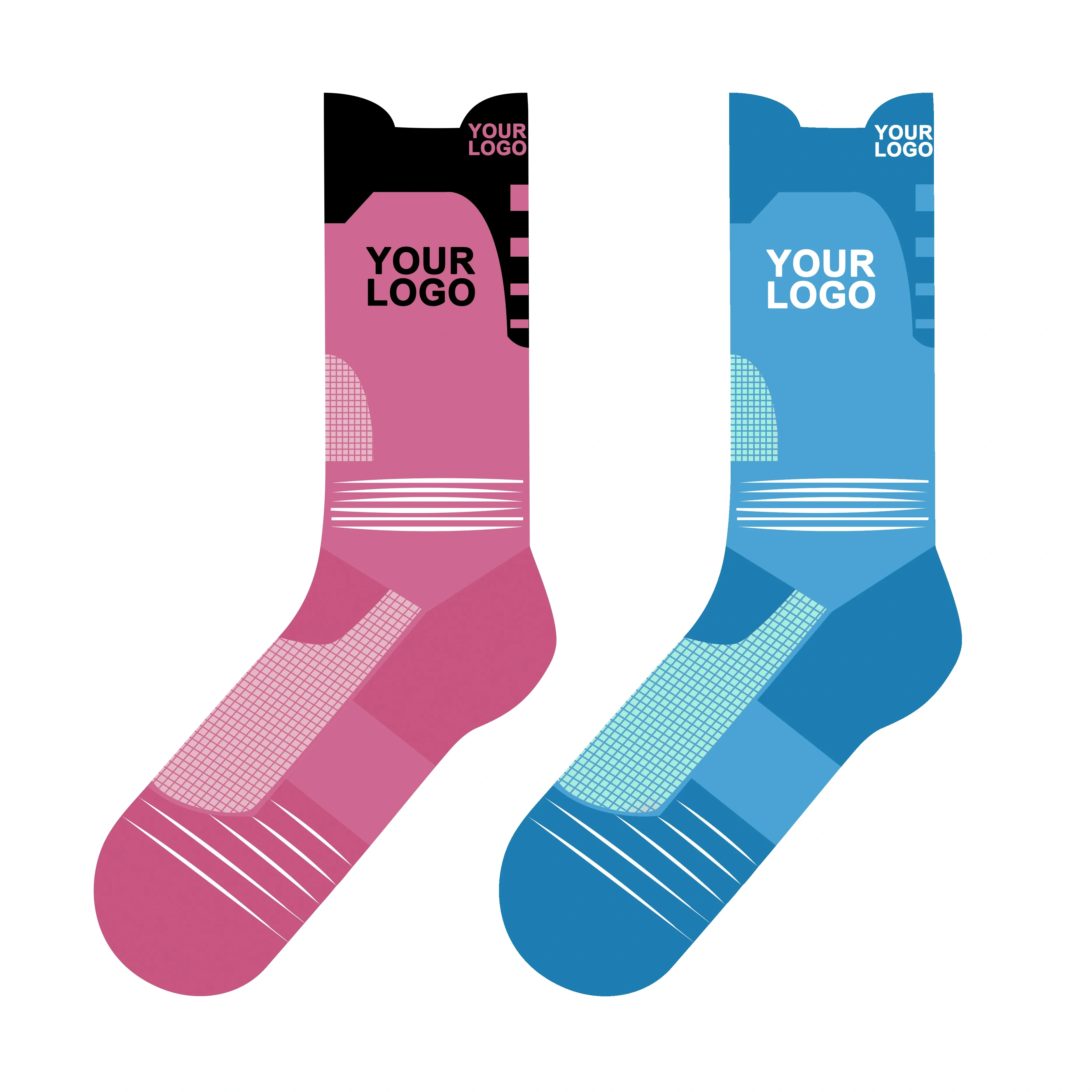
Strategic Cushioning and Graduated Compression for Endurance and Recovery
Construction techniques amplify material benefits. Zoned cushioning targets high-impact areas—the heel and forefoot—to absorb shock and delay fatigue on long descents or under heavy loads. Graduated compression—tightest at the ankle and tapering upward—supports venous return and dampens muscle oscillation during repetitive strides. This improves circulation and accelerates recovery between days of strenuous trekking. Together, these features transform the sock from passive apparel into an active biomechanical aid—enhancing endurance, stability, and trail confidence mile after mile.
Real-World Impact: Verified Outcomes and Long-Term Value of Investing in Custom Hiking Socks
Hikers who switch to custom hiking socks report measurable improvements in comfort, performance, and foot health. Clinical and field studies show up to a 97% reduction in blister incidence when friction points are eliminated through precise fit—translating directly to fewer trail interruptions and faster post-hike recovery. Beyond blister prevention, custom construction extends sock lifespan by 40% versus off-the-shelf alternatives, reducing replacement frequency and waste. Targeted arch support and metatarsal padding also cut muscle fatigue by 22% during multi-day treks, supporting consistent energy conservation and longer daily mileage. The long-term value compounds: every $1 invested yields $3.80 in savings—from avoided medical costs and gear replacements to regained trail time and performance reliability.
Table of Contents
- How Custom Hiking Socks Prevent Blisters Through Precision Fit and Smart Materials
- Why Fit Accuracy Matters: Anatomical Mapping and Terrain-Adaptive Support in Custom Hiking Socks
- Material Intelligence in Custom Hiking Socks: Balancing Performance, Durability, and Comfort
- Real-World Impact: Verified Outcomes and Long-Term Value of Investing in Custom Hiking Socks