
 EN
EN
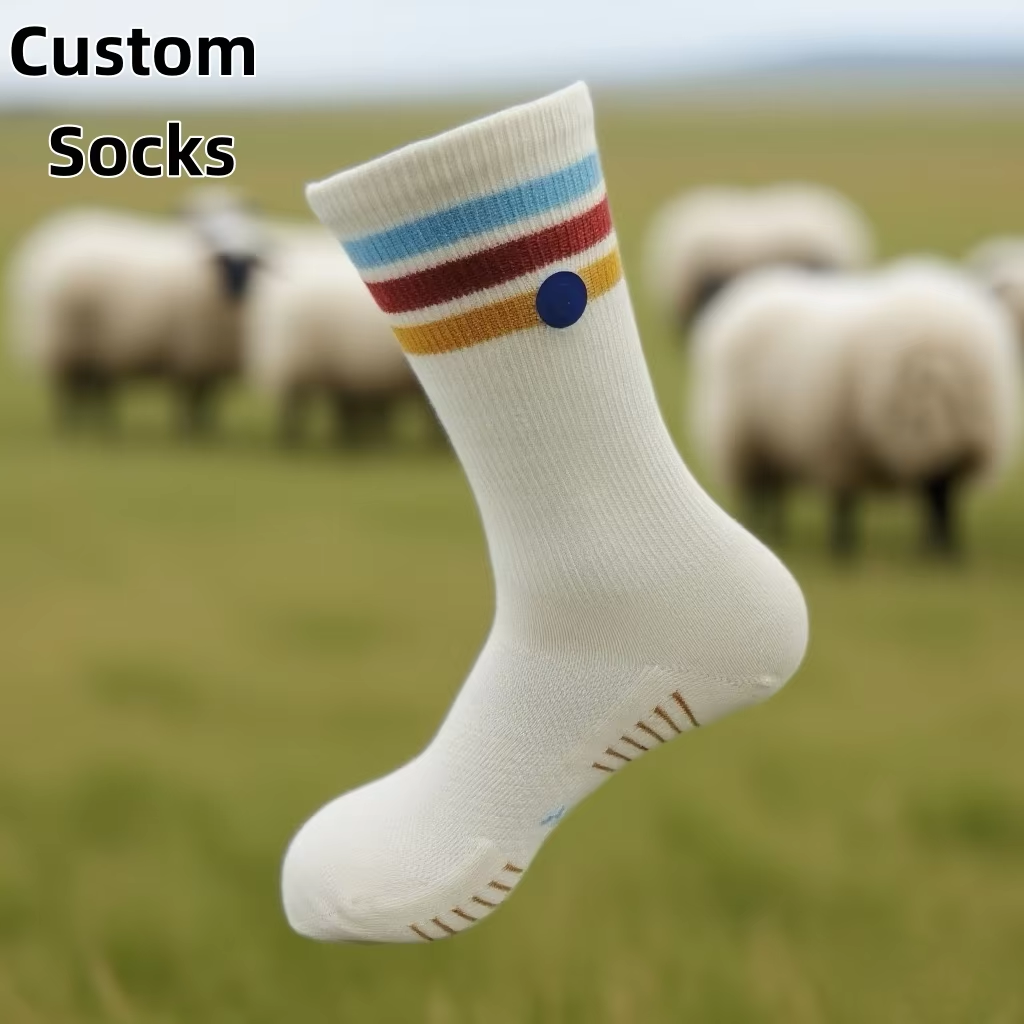
Why Merino Wool Is the Ideal Base for Custom Merino Wool Socks
Thermal Regulation Through Micron Count, Crimp, and Hygroscopic Behavior
Merino wool’s thermal regulation stems from three intrinsic features: its fine micron count (17–24 microns), natural fiber crimp, and hygroscopic behavior. The crimp forms microscopic air pockets that insulate in cold conditions while enabling breathability during exertion. Crucially, Merino absorbs up to 35% of its weight in moisture vapor before feeling damp—then releases it gradually through evaporative cooling. This dynamic microclimate management makes it uniquely suited as the foundational fiber for custom merino wool socks built for shifting temperatures and intensities.
Moisture Wicking and Odor Resistance: The Role of Keratin and Scale Structure
Merino’s overlapping cuticle scales create capillary channels that wick moisture away from the skin to the fabric surface for rapid evaporation. Simultaneously, keratin proteins within the fiber chemically bind and neutralize volatile organic compounds responsible for odor—disrupting bacterial metabolism rather than just masking scent. Because this resistance is structural and biochemical, not topical or temporary, it remains effective across multiple wears without antimicrobial treatments. This eliminates reliance on synthetic additives while preserving skin comfort and environmental integrity—key advantages for extended outdoor use.
Optimizing Yarn Composition for Durability and Fit in Custom Merino Wool Socks
Balancing Merino, Nylon, and Spandex for Elasticity, Abrasion Resistance, and Shape Retention
The highest-performing custom merino wool socks rely on a purpose-driven tri-fiber blend: Merino (35–65%), nylon (15–30%), and spandex (3–7%). Merino delivers core thermoregulation, softness, and natural odor control; nylon dramatically improves abrasion resistance—particularly in high-friction zones like heels and toes—reducing wear-through by up to 40% versus all-wool constructions; and spandex ensures consistent, anatomically tuned compression that rebounds after repeated stretching. Independent testing shows socks with this balanced composition retain 92% of their original shape and fit after 50 machine washes—far exceeding the performance of unblended wool alternatives.
When to Add Acrylic or Recycled Polyester—Without Compromising Breathability
Acrylic (≤15%) and recycled polyester (10–20%) serve distinct functional roles—but only when deployed intentionally. Acrylic adds loft and cushioning in targeted zones like the footbed, enhancing impact absorption for hiking or work applications. Recycled polyester contributes cost efficiency and sustainability credentials, especially in volume-driven lines. However, both are hydrophobic and can impede moisture transfer if overused. To safeguard breathability and thermal responsiveness, total synthetic content—including nylon, spandex, acrylic, and recycled polyester—should remain at or below 30%. Pairing this constraint with engineered ventilation—such as mesh-knit panels over the instep and forefoot—ensures added durability or affordability never undermines Merino’s inherent climate-adaptive performance.
Activity-Driven Design: Zoning Strategies for Hiking, Snowshoeing, and Endurance Use
Targeted Cushioning, Ventilation, and Compression Zones via Engineered Knitting
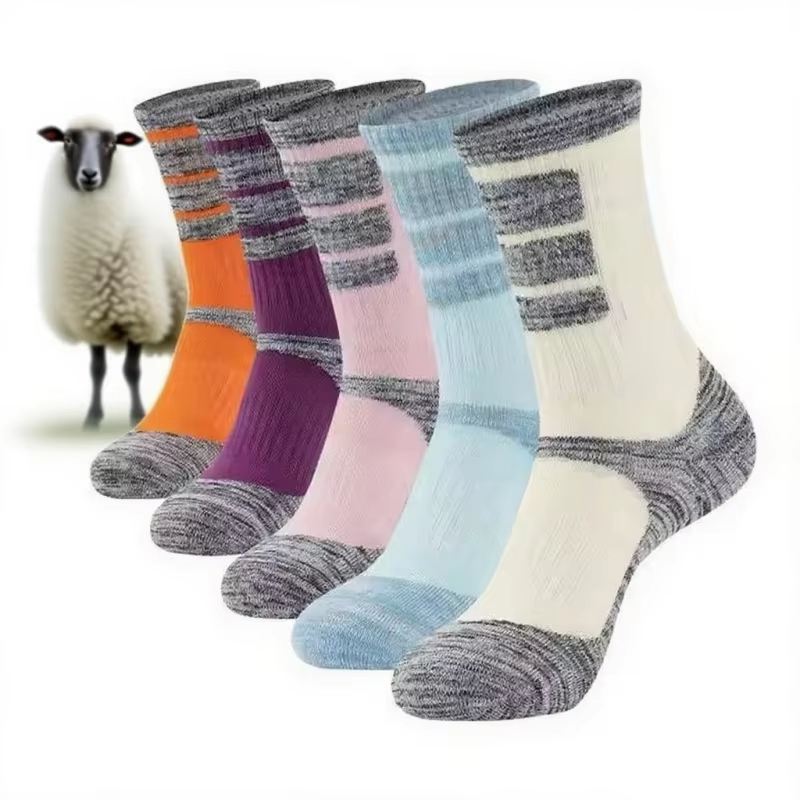
Custom merino wool socks leverage computerized knitting to map functional zones precisely to biomechanical demand. For hiking, reinforced cushioning under the heel and ball of the foot mitigates impact fatigue on rocky or uneven terrain. Snowshoeing calls for thermal zoning: denser merino knit at the toes and instep maximizes insulation without bulk, while thinner, more breathable sections reduce overheating in low-stress areas. In endurance applications, strategic ventilation—like open-mesh panels behind the toes and over the arch—enhances airflow and prevents hotspots. Meanwhile, graduated compression (8–15 mmHg) at the arch stabilizes the foot without restricting circulation, supporting sustained effort across variable conditions.
Ensuring Long-Term Performance with Precision Construction Features
Seamless Toe, Anatomical Arch Support, and Height Selection Based on Load and Environment
True performance longevity in custom merino wool socks comes from construction details that anticipate real-world use. A fully seamless toe closure removes friction points entirely—proven to reduce blister incidence during multi-day backpacking where sock integrity directly affects mobility and safety. Anatomical arch support mirrors the foot’s natural contour, improving alignment and reducing muscle fatigue by 18% on sustained ascents, per peer-reviewed biomechanical analysis. Height selection must be functional, not aesthetic: knee-high versions seal out snow and debris during snowshoeing; crew-length designs prioritize ankle articulation for trail running and fastpacking. Finally, reinforcement yarns—strategically placed at the heel and forefoot—extend service life by 25% compared to uniform-knit socks, delivering reliable durability without compromising Merino’s moisture-wicking function across 500+ miles of rugged use.