
 EN
EN
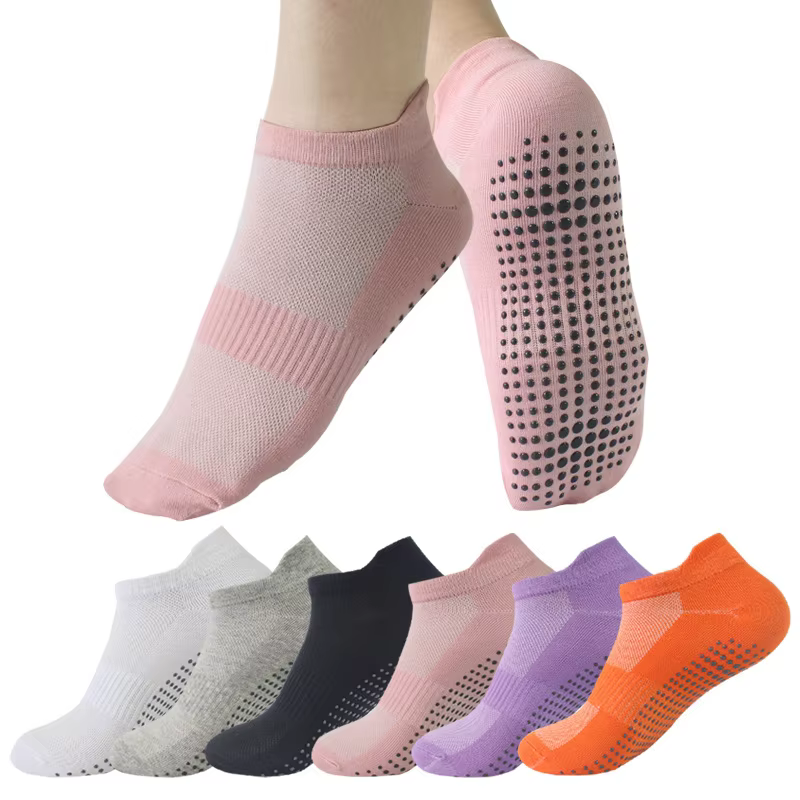
Die Biomeganika van Stabiliteit: Hoe Grypsokkies Sport Interne Voetskuif Voorkom
Hoe Beweging binne die Skoen Proprioëpsie en Gewrigslynasie Versteur
Voetgly binne sportskoene lei tot klein bewegings wat stabiliteit versteur. Atlete ondervind hierdie probleem dikwels tydens skielike sywaartse stappe of vinnige draaie op die speelveld. Die brein se vermoë om te voel waar die voet geposisioneer is, raak verwar of vertraag as gevolg van hierdie onverwagte verskuiwings. Wat gebeur dan? Die liggaam begin aanpassings deur verskillende gewrigte maak, wat die kans op enkelrol na binne verhoog en krag-oordrag vanaf die been spiere minder effektief maak. Sportwetenskaplikes noem hierdie hele proses 'kinetiese kettingversteuring'. Maar die meeste atlete ken dit as daardie oomblik wanneer 'n klein glybeweging skielik in 'n volledige verlies van balans verander — of nog erger, 'n werklike besering op die speeloppervlak.
Silikoon- en rubberagtige greeppatrone + gerigte kompressie moontlik regtydse lasherverdeling
Die nuutste greepkouse op die mark het mediese kwaliteit silikoonpuntjies sowel as rubbergreepareas wat werklik gebaseer is op hoe voete beweeg. Hierdie spesiale areas sit presies waar die voet die meeste skuifkrag ervaar, veral rondom die hakke en tone, wat help om alles stewig teen die binnesool vas te hou sodat daar geen gly binne-in die skoen plaasvind nie. Terselfdertyd bied hierdie kouse geleidelike kompressieondersteuning vir beide die boë en die voorste gedeelte van die voet, wat bloedvloei verbeter en druk versprei tydens stap of hardloop. Wat hierdie ontwerp regtig laat uitstaan, is hoe dit gewig onmiddellik herverdeel tydens vinnige bewegings soos spring in basketbalwedstryde of skielike stoppe in sokkermatche. Volgens navorsing wat verlede jaar in Sports Medicine Quarterly gepubliseer is, kan hierdie soort kous gewrigbelasting met ongeveer 19 persent verminder wanneer iemand hierdie skerp draaibewegings of skielike rigtingsveranderings maak.
Sportspesifieke Stabiliteit: Passende Greepkouse vir Sport wat aan Bewegingsvereistes Voldoen
Van Tennissydwaartse Snitte tot Yoganewebalanshoue: Bewysgebaseerde Strategieë vir Greepkaarting
Algemene greepkouse vir sport voldoen nie aan die afsonderlike biomeganiese vereistes van gespesialiseerde aktiwiteite nie. Presisie-ontwerpte modelle maak gebruik van bewegingsvasvangdata om die aankleefdigtheid te kaart:
- Tennis : Sywaartse silikongrepe onder die middelvoet stabiliseer vinnige sywaartse snitte en verminder direk enkelbelasting as gevolg van onbeheerde voetverskuiwing.
- Joga : Rubberpunte op die voorvoet en tone ondersteun mikro-aanpassings tydens balanshoue, verbeter proprioceptiewe inset sonder om natuurlike boogbeweeglikheid te beperk.
- Voetbal : Volvoet-rubberankleefvermoë gekombineer met gerigte boogkompressie verbeter voetstabiliteit tydens draaibewegings en versnellings—wat bydra tot ’n 27% vermindering in enkelinversiebeserings soos waargeneem in NCAA-data (2022–2024).
Hoë-skuif-gebiede—soos basketbal-landingsoppervlaktes—kry versterkte seskantige patrone vir duurzaamheid en greepgetrouheid, terwyl lae-wrywinggebiede (bv. yogaboeë) lugdeurlaatbare materiaal behou vir buigsaamheid. Hierdie doelbewuste ontwerp verseker dat stabiliteit verbeter, eerder as om spesifieke sportbewegingsintegriteit te belemmer.
Beseringvoorkoming deur Verbeterde Voetbeheer: Blare, Enkelinversie en Oppervlakglip
NCAA-beseringsdata (2022–2024): Greepkouse vir Sport verminder die risiko van enkelinversie met 27% — maar is nie ’n vervanging vir korrekte skoenvitting nie
Volgens NCAA-monitoring tussen 2022 en 2024 het atlete wat daardie spesiale greepkouse vir sport gedra het, ongeveer 27 persent minder enkelverdraaiings gehad as ander wat gewone kouse gedra het. Hoekom gebeur dit? Nou, basies omdat daar minder gly binne die skoen plaasvind. Die silikoon- en rubberpatrone op hierdie kouse verminder die wrywingskragte op die onderkant van die voet, wat ook beteken dat daar minder blare is. Hulle werk beter op verskillende oppervlaktes soos houtbane, grasvelde en selfs studee-vloere waar greep belangrik is. Maar hier is iets belangriks om te onthou, mense – hierdie greepkouse is nie towernagels nie. As iemand skoene het wat van die begin af nie reg pas nie, is al die weddespele af. Styf skoene kan eintlik sirkulasie benadeel en senuwees knyp, terwyl skoene wat te los is, die voete gevaarlik laat beweeg binne-in hulle. Dink van greepkouse as ’n ekstra laag wat prestasie verbeter wanneer dit saam met skoene gedra word wat behoorlik pas en normale voetbewegingspatrone toelaat.
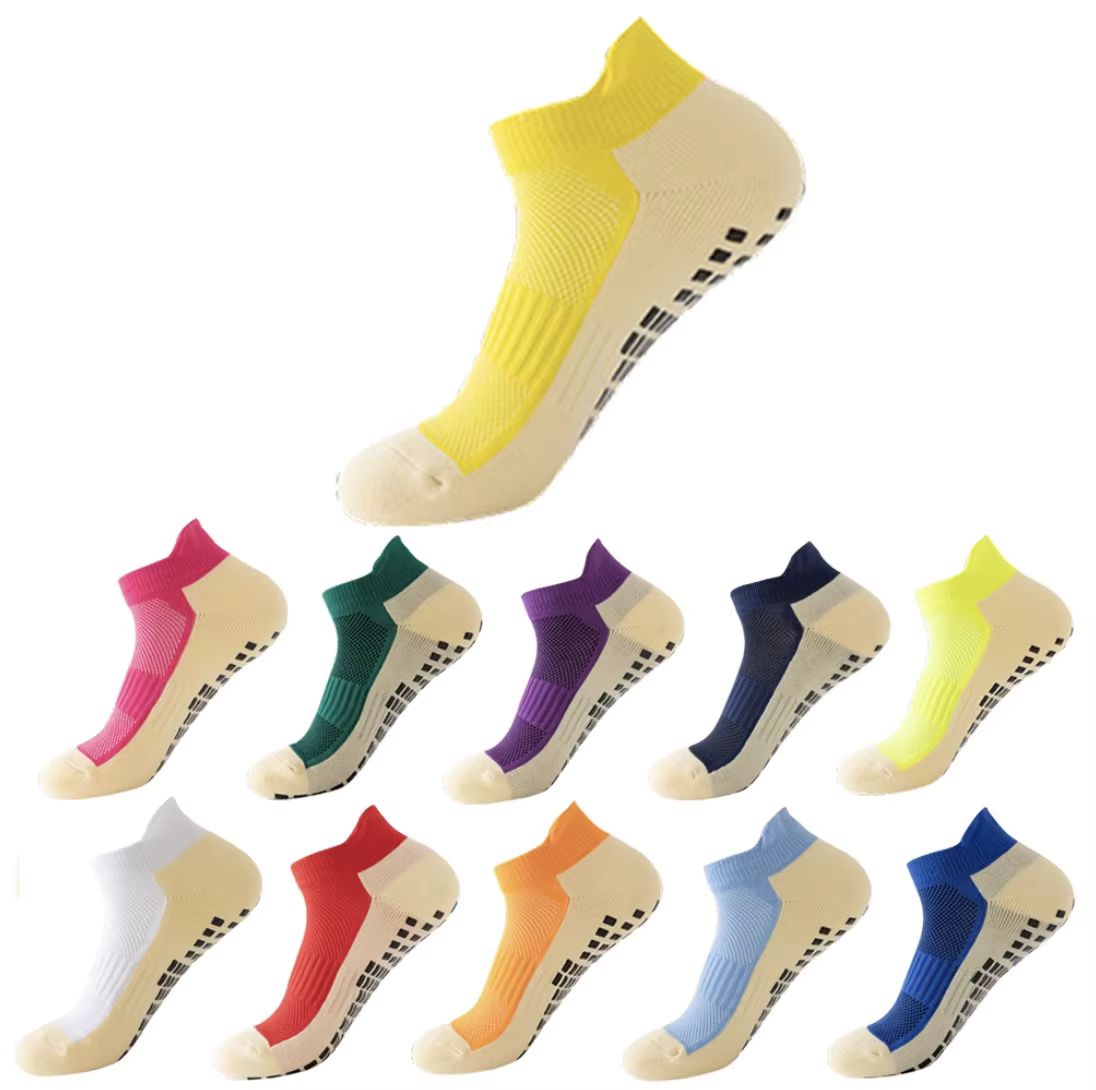
Kies die Regte Greep sokkies vir Sport: Sleutelkriteria vir Prestasie en Langtermyngebruik
Wanneer jy greepsokkies vir sport kies, kyk na hoe goed hulle funksioneer en hoe lank hulle sal hou. Kies sintetiese materiale wat spesifiek vir atletiek gemaak is, soos nylon gemeng met spandex of spesiale mengsels wat sweet afvoer. Hierdie behou hul greep selfs wanneer dit nat is en na baie gebruik. Waar die greeppatrone geplaas word, maak ook saak. Silikoonkolletjies aan die voorkant van die voet en rondom die voetboog help met afstoot tydens sport. Volvoetrubber werk beter vir dinge soos joga waar iemand stilstaan en gewig dra. Hakke en tone wat versterk is, dra beter mettertyd omdat hulle voortdurend gevryf word. Katoenmengsels is 'n slegte idee, want hulle absorbeer vog, rek uit en verloor hul greep na net 'n paar wasse. Onlangse toetse het getoon dat sokkies met naatlose tone en kompressie-areas wat gevorm is om by die voet te pas, ongeveer 90% van hul oorspronklike greep behou het nadat hulle dit meer as 50 keer gedra is. Dit bewys dat goeie ontwerp 'n werklike verskil maak in hoe stabiel hierdie sokkies oor tyd bly.
Tabel van inhoud
- Die Biomeganika van Stabiliteit: Hoe Grypsokkies Sport Interne Voetskuif Voorkom
- Sportspesifieke Stabiliteit: Passende Greepkouse vir Sport wat aan Bewegingsvereistes Voldoen
- Beseringvoorkoming deur Verbeterde Voetbeheer: Blare, Enkelinversie en Oppervlakglip
- Kies die Regte Greep sokkies vir Sport: Sleutelkriteria vir Prestasie en Langtermyngebruik