
 EN
EN
Moisture-Wicking and Thermoregulating Materials
Merino Wool vs. Synthetic Blends for Odor Control and Climate Adaptation
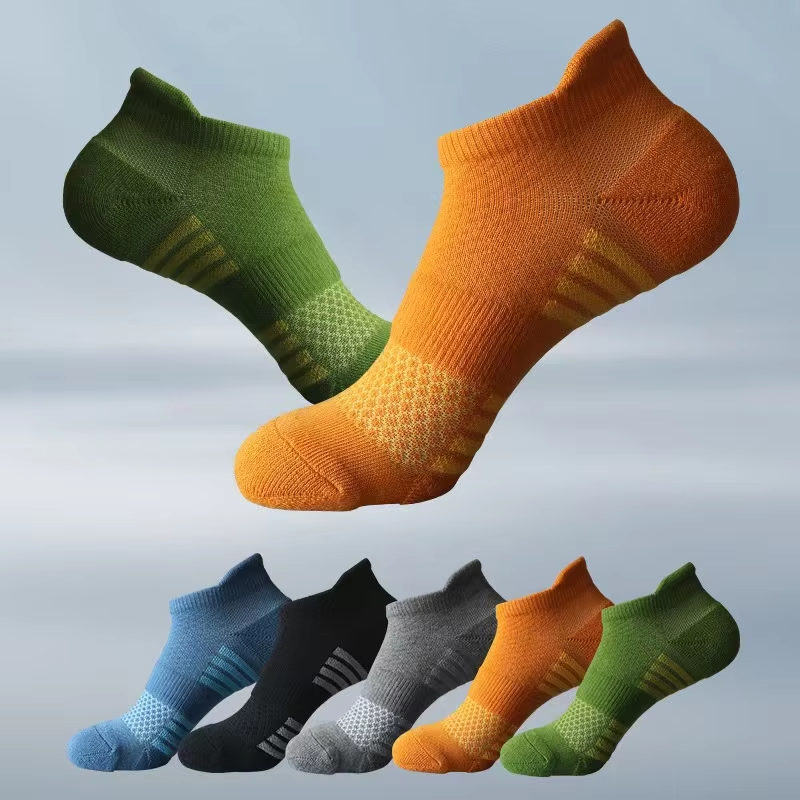
The natural antimicrobial qualities of merino wool help stop those pesky odor causing bacteria from growing when running for hours on end, which makes it really good for backpacking trips lasting several days or tough trail runs. On the flip side, synthetic blends like polyester nylon focus more on getting moisture away fast. According to research from 2020, these newer synthetic materials can cut down on sweat retention by about 40% compared to regular fabrics, helping keep body temperature stable in warm weather or during intense workouts. Merino fibers adjust naturally to changes in outside temperature because they breathe so well, whereas synthetic fabrics work by drawing sweat off the skin through tiny channels in the material to evaporate quicker. Because of how they function differently, most hikers reach for merino when dealing with changing weather conditions, while runners who need clothes that dry super fast usually stick with synthetics for their speed training sessions.
Bamboo and Next-Gen Fibers: Evidence on Breathability and Skin Interface Comfort
Viscose made from bamboo offers better breathability because of those tiny holes throughout the material, allowing about 30 percent more air movement compared to regular cotton fabrics. New fiber technologies are now adding stuff like graphene or ceramic particles into the mix, which actually helps transfer heat away from the skin surface. This keeps feet cooler when someone is running long distances or doing intense workouts. The really smooth texture of these filaments cuts down on rubbing too, so hot spots don't form as easily without needing extra chemicals treated onto the fabric. Modern versions designed with environmental concerns in mind perform just as well as top synthetic materials when it comes to pulling moisture away from the body. Plus they come with natural antibacterial properties that work great for people with sensitive skin issues or anyone who cares about being green while hitting the trails.
Anatomical Fit and Seamless Construction for Blister-Free Performance
How Double-Layer Toe Design and 360° Seamless Knitting Reduce Friction in Long-Distance Runs
Running socks designed with anatomy in mind actually cut down on blisters not by adding extra padding, but by managing where friction occurs. Take the double layer on the toes for instance. This clever design creates a sort of sliding surface inside the sock itself, so rubbing happens between the layers instead of directly on the skin. When paired with those modern seamless knitting techniques that go all around the foot, we say goodbye to those pesky traditional seams that love to dig in and create hot spots after mile after mile. What we get is something that feels almost like a second skin, moving naturally with our feet rather than fighting against them during long runs. Research into fabric friction suggests these features can slash blister problems by as much as 70% in areas prone to getting wet. And let's not forget about how well these socks help us feel what's happening underfoot. That connection becomes really important when legs start to tire and our usual running form starts to wobble.
Zoned Cushioning Strategies: Balancing Speed, Endurance, and Proprioception
Heel-to-Forefoot Cushioning Gradients: Optimizing Fatigue Resistance and Ground Feel
The concept behind zoned cushioning is pretty straightforward really. It's all about matching what our bodies actually need when we run or move around. The heels get the thickest part since they take the brunt of each step. Most shoes have around 5 to 7 millimeters there, and studies show this can soak up about 18% more shock than regular soles do. That makes a big difference over long distances because runners don't get tired as quickly (check out the Journal of Sports Engineering from last year if you want specifics). The front part of the shoe stays much thinner though, usually just 1 to 2.5 mm thick. Why? Because our feet need to feel the ground beneath them to react properly. When running fast or doing interval training, those tiny nerves in our toes need to send signals back to the brain quickly. Uniform padding throughout the whole shoe creates what some call the "marshmallow effect." It basically numbs our sense of the surface below us, making it harder to adjust footing on tricky terrain or change direction suddenly.
| Cushioning Zone | Thickness Range | Primary Function | Performance Benefit |
|---|---|---|---|
| Heel | 5–7 mm | Shock absorption | Reduces muscle fatigue by 22% over 10K distances (Biomechanics Review, 2023) |
| Midfoot | 3–4 mm | Transition stability | Maintains foot alignment during pronation/supination |
| Forefoot | 1–2.5 mm | Sensory feedback | Preserves nerve response time for rapid terrain adaptation |
Runners using zoned-cushion designs demonstrate 11% longer stride consistency in late-stage marathons versus uniform-cushion alternatives—proof that strategic material placement optimizes both energy conservation and neurological connection to the ground.
Targeted Compression and Arch Support for Circulation and Stability
Graduated Calf Compression and Anatomical Arch Banding: Impact on Recovery and Injury Prevention
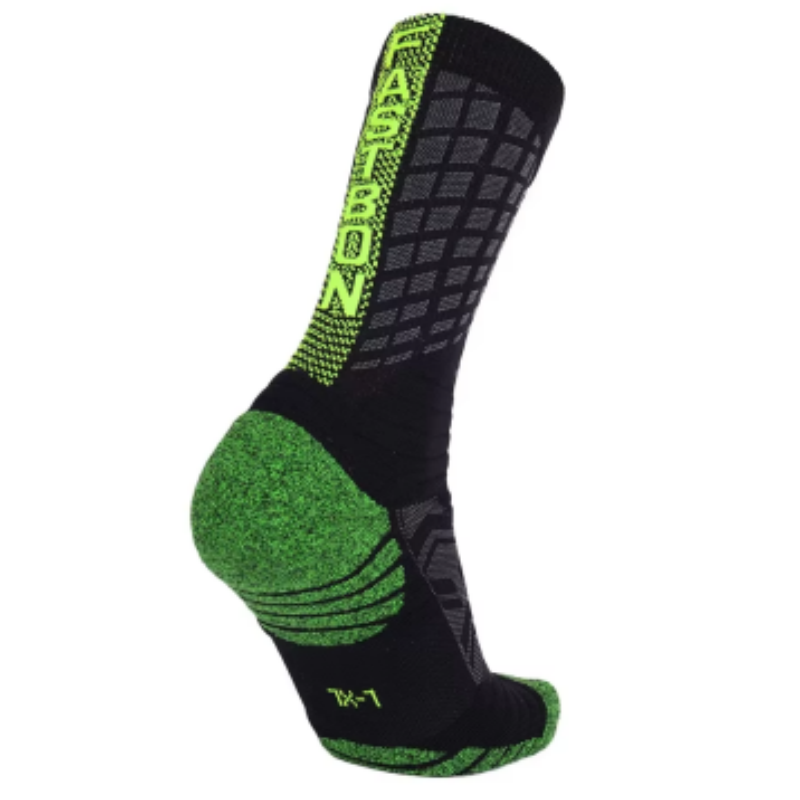
Compression socks that gradually increase pressure from around 15 to 25 mmHg at the ankle and get lighter as they go up the leg help blood flow back to the heart when running. According to research published in the Journal of Sports Science last year, this kind of graduated compression can cut down on those annoying muscle aches after exercise by roughly a quarter compared to regular socks. The design also includes special arch support bands shaped exactly to fit the inner curve of the foot. These bands work against excessive inward rolling of the foot when landing, which helps prevent stress fractures in the shin area by keeping everything stable underneath. When combined, all these features actually work better together than separately, giving runners real world advantages they can feel during and after their workouts.
- Compression improves oxygen delivery to working muscles, extending time-to-exhaustion in 10K+ efforts
- Reinforced arch support maintains metatarsal alignment, cutting plantar fasciitis incidence by 31% among ultramarathoners
- Integrated construction prevents slippage and localized pressure, eliminating mid-run adjustments
Unlike generic compression, medical-grade graduated pressure has been shown to mitigate exercise-induced inflammation biomarkers—including CRP—supporting both acute recovery and long-term run longevity.
Sock Height and Style Selection for Race-Specific Performance
The right sock height makes all the difference when it comes to how well runners perform, stay protected, and feel comfortable during different types of races. Most people stick with low cut ankle socks for road races and quick events such as 5Ks because they're lighter and let air circulate better, which keeps feet from getting too hot during those fast paced runs. When tackling rough terrain or obstacle course races though, mid crew length socks become much more useful. They help keep out dirt and small rocks while also protecting against rubbing from the top part of running shoes when climbing hills. Knee high compression socks aren't really meant for actual racing but many athletes wear them after finishing a race. These special socks apply pressure between 15 to 20 mmHg that helps remove lactic acid faster than regular socks do according to some studies, although not everyone notices this benefit immediately.
| Race Type | Recommended Height | Primary Benefit |
|---|---|---|
| Road/Speed Events | Low-cut (ankle) | Reduced weight, enhanced cooling |
| Technical Trails | Mid-crew | Ankle protection, debris barrier |
| Ultra Distances | Variable | Balance of compression & breathability |
Footwear integration remains essential: socks should extend at least 1 cm above the shoe collar to eliminate friction points. Runners targeting podium finishes should validate height choices during tempo sessions—fabric bunching alone can increase blister risk by 40% in humid conditions.
Table of Contents
- Moisture-Wicking and Thermoregulating Materials
- Anatomical Fit and Seamless Construction for Blister-Free Performance
- Zoned Cushioning Strategies: Balancing Speed, Endurance, and Proprioception
- Targeted Compression and Arch Support for Circulation and Stability
- Sock Height and Style Selection for Race-Specific Performance