
 EN
EN
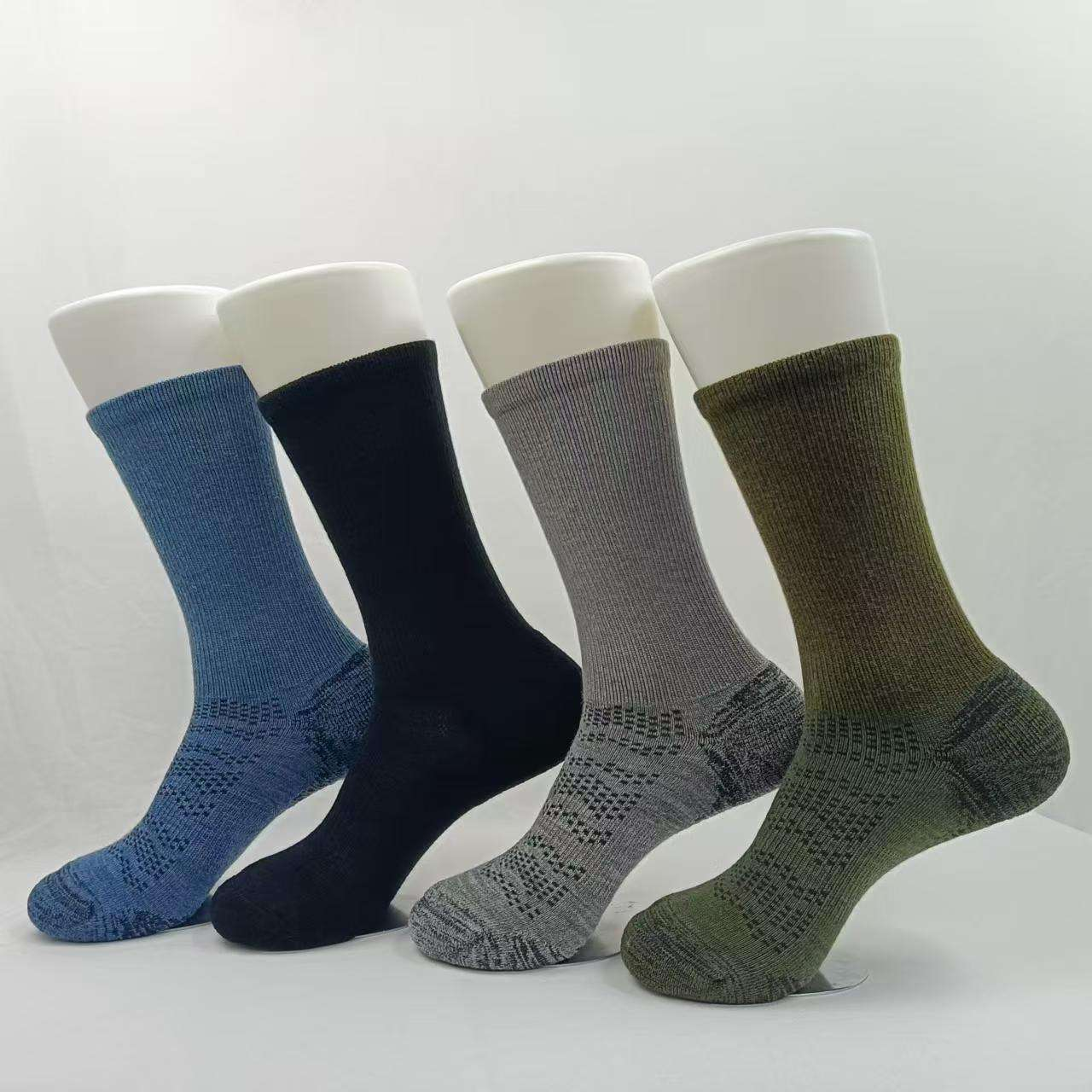
Superior Thermoregulation: How Wool Running Socks Adapt to Every Season
Natural Insulation and Breathability for Year-Round Temperature Control
Running socks made from wool contain keratin fibers that form tiny air pockets which trap warmth when it's chilly outside but let heat escape on warm days. The reason behind this works is because of how wool naturally crimps, acting like a thermostat for our feet by changing insulation levels based on what our skin needs. When there's more moisture in the air, those merino fibers actually get bigger, helping us stay cool and comfortable. But if things dry out, they shrink back down again to keep us warm. Synthetic materials just don't do this kind of thing. They can't adjust themselves based on what's happening around them, so our feet end up either sweating or freezing depending on the weather conditions we face while running.
Thin vs. Thick Merino Blends: Matching Wool Running Socks to Hot, Cold, and Variable Conditions
| Blending Strategy | Best For | Performance Advantage |
|---|---|---|
| Ultra-fine (17.5µ) | Heat >25°C | Maximizes airflow via lightweight open-knit design |
| Midweight (18–20µ) | Variable 10–25°C | Balances moisture dispersion with core insulation |
| Heavy blend (>21µ) | Cold <10°C | Doubles thermal retention via denser looping |
Ultra-fine merino wicks sweat 30% faster than nylon in high heat, while heavy blends retain heat 2.5× longer than cotton in winter. Midweight wool running socks—with nylon reinforcement—offer adaptive buffering: their helical fiber structure expands during exertion to accelerate cooling, then recoils at rest to conserve warmth. This eliminates seasonal sock rotations, as merino's innate thermoregulation outperforms single-climate synthetics.
Reliable Moisture Management: Keeping Feet Dry Without Dampness or Overheating
Capillary Wicking and Smart Humidity Buffering in Wool Running Socks
Running socks made from wool handle moisture pretty well thanks to how merino fibers work their magic. These fibers actually draw sweat away from the skin naturally. Synthetic materials tend to get soaked up really fast, but wool can soak up around 30% of its own weight in moisture without ever feeling wet. Think of it as a kind of built-in buffer system. When someone is working hard, the fibers hold onto the moisture for a bit, then slowly let it go when they start cooling down. Another big plus is that wool's keratin structure makes it tough for those smelly bacteria to take hold. This means runners won't deal with the same dampness issues that often plague cotton socks after a workout.
Balancing Evaporation and Microclimate Stability During High-Intensity Runs
When running hard, wool keeps things stable inside the shoe through its ability to dry both ways. Synthetic materials tend to trap sweat and heat, which can actually raise the chance of blisters by around forty percent according to some studies. Wool works differently because it breathes better, letting moisture escape while still keeping warmth where needed. The unique crimp in wool fibers creates space for air circulation when it gets hot, but those same fibers bunch together to create tiny pockets of insulation during colder conditions, all while keeping feet relatively dry throughout. Tests indicate that wool cuts down on sudden spikes of moisture inside shoes by about half compared with polyester mixtures, making long distance runs much less likely to cause skin breakdown issues from constant wetness.
Long-Run Comfort and Protection: Odor Resistance, Softness, and Blister Prevention
Keratin-Based Natural Odor Suppression for Multi-Hour and Multi-Day Use
Merino wool’s keratin proteins disrupt bacterial metabolism at the source—preventing sweat-derived organic compounds from converting into odors. Field tests confirm wool maintains hygienic conditions for over 20 hours of continuous wear, making it ideal for ultramarathons or multi-day adventures.
Seamless Construction and Low-Friction Merino Yarns for Blister-Free Performance
Top quality merino running socks do away with those pesky toe seams we've all come to know and love in regular socks. They also incorporate special hydrophilic yarns that basically stop moving around on the skin, which cuts down on friction spots by about 38% when compared to your average synthetic blend stuff. The way these fibers respond to moisture keeps everything fitting just right even when running over different kinds of ground, so no more annoying hot spots after miles of pounding pavement. These socks have extra padding in the areas that really need it but still let runners feel what's underneath their feet. If someone wants something that works well year round, they should look for socks with proper anatomical shaping and go for lighter weight merino blends instead of heavier materials.
Durability and Sustainability: Why Wool Running Socks Offer Long-Term Value
Wool running socks deliver exceptional durability through natural fiber resilience—maintaining structure and cushioning across hundreds of miles. Unlike synthetics, merino resists pilling and thinning even at high-friction zones like heels and toes. This longevity cuts replacement frequency, reducing long-term cost and textile waste.
Environmentally, wool is a renewable resource: sheep regrow fleece annually without harm, with one shearing yielding ~60 sock pairs. When retired, wool running socks biodegrade completely within 6 months—unlike plastic-based synthetics that persist for centuries. Their extended lifespan further minimizes landfill contributions, making them a responsible investment for eco-conscious runners.
Table of Contents
- Superior Thermoregulation: How Wool Running Socks Adapt to Every Season
- Reliable Moisture Management: Keeping Feet Dry Without Dampness or Overheating
- Long-Run Comfort and Protection: Odor Resistance, Softness, and Blister Prevention
- Durability and Sustainability: Why Wool Running Socks Offer Long-Term Value