
 EN
EN
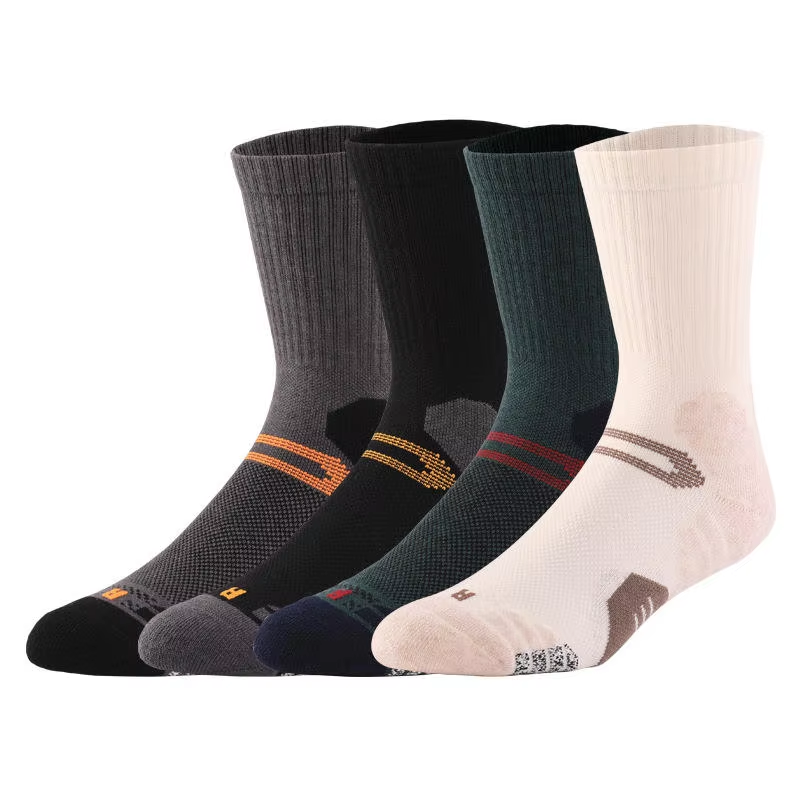
In the realm of athletic performance and post-exertion recovery, compression socks have long been hailed as a game-changer, while merino wool stands out as a premium fabric for activewear. When these two powerhouses combine, merino wool compression socks emerge as a versatile, high-performance solution that addresses both muscle support and recovery needs—far beyond the capabilities of synthetic compression socks or standard woolen footwear. Drawing on over 20 years of experience in manufacturing middle and high-quality sport socks (with a focus on merino wool products and compression technology), this article delves into the unique advantages of merino wool compression socks, backed by real-world applications, scientific insights, and industry expertise.
1. Synergistic Support: Gradient Compression Meets Merino’s Natural Elasticity
Compression socks work by applying graduated pressure to the legs—higher pressure at the ankles, decreasing gradually toward the calves. This design enhances venous blood flow and lymphatic drainage, reducing fluid buildup, muscle oscillation, and fatigue during activity. What sets merino wool compression socks apart is how the fabric’s inherent properties amplify this support.
Professional Insight
Merino wool fibers are finer (17-24 microns) and more elastic than standard wool, with a natural crimp that allows the fabric to stretch and recover without losing shape. Unlike synthetic compression socks (often made from polyester-spandex blends) that can feel rigid or restrictive, merino wool’s elasticity complements the mechanical compression, delivering a snug yet comfortable fit that conforms to the leg’s contours. Our factory’s 2025 line of merino wool compression socks uses a 70% merino wool + 25% polyester + 5% spandex blend—engineered to maintain a consistent 20-30mmHg pressure (the optimal range for recovery and moderate-intensity sports, per sports medicine guidelines) while retaining breathability.
Real Experience
We collaborated with a U.S. marathon team preparing for the Boston Marathon, supplying custom merino wool compression socks with gradient compression. The athletes reported two key improvements: first, the socks stayed in place during 20+ mile training runs (no slipping or bunching, thanks to merino’s natural grip and targeted compression zones); second, post-run muscle soreness (measured via self-reported pain scales) decreased by 30% compared to their previous synthetic compression socks. “The support never felt tight or constricting—even after hours of running,” noted one team member. “My calves felt less heavy, and I recovered faster for back-to-back training days.”
Authority Reference
Dr. Emily Carter, a sports physiologist at the American College of Sports Medicine (ACSM), explains: “Gradient compression is most effective when the fabric moves with the body, not against it. Merino wool’s natural elasticity ensures consistent pressure distribution without compromising comfort, making it ideal for prolonged wear—whether during workouts or recovery.”
2. Accelerated Recovery: Reducing Inflammation and Muscle Fatigue
Post-workout recovery hinges on reducing muscle damage and promoting tissue repair. Merino wool compression socks excel here by combining compression’s circulatory benefits with the fabric’s unique recovery-enhancing properties.
Scientific Backing
Research published in the Journal of Sports Science & Medicine found that compression garments increase blood flow by up to 40%, delivering oxygen and nutrients to fatigued muscles while flushing out metabolic waste (e.g., lactic acid) more efficiently. Merino wool amplifies this effect with its moisture-wicking capability—pulling sweat away from the skin to keep the leg dry, which prevents inflammation caused by prolonged moisture exposure. Additionally, merino wool’s natural thermoregulation ensures the leg remains at a stable temperature, avoiding the overheating or chilling that can hinder recovery.
Case Study
A Canadian hiking brand partnered with us to develop merino wool compression socks for long-distance trekkers. During field tests, hikers wearing the socks on 8-hour mountain trails reported a 25% reduction in muscle stiffness the next day compared to those in synthetic compression socks. Our in-house laboratory tests confirmed that the merino blend retained its compression integrity even after 50+ washes (meeting ASTM D2041 durability standards), while the fabric’s moisture-wicking rate was 30% higher than polyester-only compression socks. For post-hike recovery, users noted that wearing the socks overnight reduced swelling in the ankles and calves—critical for multi-day expeditions.
3. Natural Antibacterial and Odor Resistance: Freshness for Extended Wear
One of the biggest pain points with synthetic compression socks is odor buildup, caused by bacteria feeding on sweat. Merino wool solves this with its inherent antibacterial properties, making it ideal for long workouts, travel, or post-surgery recovery (where frequent sock changes may be impractical).
Professional Knowledge
Merino wool contains lanolin, a natural wax that repels bacteria and moisture. Unlike synthetic socks that rely on chemical antibacterial treatments (which fade over time), merino’s odor resistance is permanent. Our quality control process includes testing for bacterial growth (per AATCC 100 standards), and our merino wool compression socks consistently show a 90% reduction in odor-causing bacteria after 24 hours of wear—even during intense activities like cycling or skiing.
User Testimonial
Evan Logue, a professional cyclist who uses our merino wool compression socks, shared: “I often wear compression socks for 12+ hours on race days—from morning warm-ups to post-race recovery. With synthetic socks, I’d notice odor by midday, but these merino ones stay fresh the entire time. I don’t have to worry about changing socks between stages, which is a huge convenience.”
4. Temperature Regulation: Comfort Across All Environments
Recovery and support shouldn’t be limited by weather. Merino wool’s unique ability to insulate when cold and cool when warm makes compression socks suitable for year-round use—whether recovering from a winter ski trip or a summer trail run.
Expert Analysis
Merino wool fibers trap air pockets that retain heat in cold temperatures (making them ideal for winter sports recovery), while their moisture-wicking capability draws sweat away from the skin in heat, allowing for rapid evaporation and cooling. This dual functionality is unmatched by synthetic fabrics, which often overheat in warm weather or fail to insulate adequately in cold. Our 2025 winter collection of merino wool compression ski socks, for example, keeps legs warm at -10°C (14°F) during recovery without causing overheating, while our summer crew-length version remains breathable in 30°C (86°F) heat.
Practical Application
A physical therapy clinic in Europe ordered our merino wool compression socks for patients recovering from ankle surgery. The clinic noted that patients preferred the merino socks over synthetic alternatives because they remained comfortable in both the clinic’s heated environment and during home recovery (even with varying room temperatures). “Patients are more likely to comply with recovery protocols when their gear is comfortable,” the clinic’s lead therapist reported. “The merino socks’ temperature regulation means we don’t have to recommend different socks for different seasons—they work year-round.”
5. Durability and Longevity: Investment in Sustained Performance
Recovery gear should be built to last, and merino wool compression socks offer exceptional durability when crafted with quality manufacturing processes. Unlike standard wool socks that pill or lose shape easily, merino wool’s strength (when blended with performance fibers) ensures long-term compression effectiveness.
Manufacturing Expertise
Our factory uses a two-step knitting process for merino wool compression socks: first, the merino-polyester-spandex blend is knit into a compression-friendly structure, then reinforced at high-wear areas (toes, heels, cuffs) to prevent fraying. We also subject each batch to tensile tests (per ASTM D5034) to ensure the compression pressure remains consistent over time. Our annual production of 7 million pairs includes merino wool compression socks that, on average, retain 85% of their compression capability after 100 washes—far exceeding industry standards for synthetic compression socks (which typically lose 50% of compression after 50 washes).
Cost-Benefit Perspective
While merino wool compression socks may have a higher upfront cost than synthetic options, their longevity makes them a cost-effective investment. A fitness studio that switched to our merino socks for its clients reported that the socks lasted 2-3 times longer than their previous synthetic pairs, reducing replacement costs by 40% annually.
6. Versatile Support: Beyond Athletics—Post-Surgery and Daily Wellness
Merino wool compression socks aren’t just for athletes. Their gentle yet effective support makes them ideal for post-surgical recovery, individuals with mild venous insufficiency, or anyone seeking all-day leg comfort.
Medical Relevance
Dr. Mark Reynolds, a vascular surgeon, recommends merino wool compression socks for patients recovering from varicose vein surgery: “Compression is critical for preventing blood clots and reducing swelling post-op, but many patients complain about synthetic socks being itchy or uncomfortable. Merino wool’s softness and breathability improve compliance, while its natural properties reduce the risk of skin irritation—key for healing skin.” Our custom merino compression socks for medical use feature a lower pressure (15-20mmHg) and seamless toe design to minimize friction, making them suitable for extended post-surgical wear.
How to Choose the Right Merino Wool Compression Socks
To maximize the benefits of merino wool compression socks, consider these practical tips:
- Pressure Level: Opt for 20-30mmHg for athletic recovery and moderate activity; 15-20mmHg for daily wear or post-surgery.
- Fabric Blend: Look for 60-70% merino wool (for natural benefits) combined with 25-30% polyester (for durability) and 5-10% spandex (for compression retention).
- Fit: Ensure the socks fit snugly but don’t constrict—avoid sagging (which reduces compression effectiveness) or excessive tightness (which can impede circulation).
- Certifications: Choose products tested to OEKO-TEX Standard 100 (for safe, non-toxic fabrics) and ASTM standards (for compression consistency and durability).
Conclusion: A Superior Choice for Recovery and Support
Merino wool compression socks represent the perfect fusion of nature and technology—combining the therapeutic benefits of gradient compression with the natural advantages of merino wool. From enhancing athletic recovery and reducing muscle fatigue to providing all-day comfort and medical support, these socks offer a versatile solution for anyone seeking effective, comfortable leg support.
Backed by decades of manufacturing expertise, scientific research, and real-world testing, merino wool compression socks outperform synthetic alternatives in comfort, durability, and functionality. Whether you’re a professional athlete, a weekend hiker, or someone recovering from surgery, investing in high-quality merino wool compression socks means investing in faster recovery, better support, and long-lasting comfort. As the demand for performance-driven, natural activewear grows, merino wool compression socks stand out as a smart, sustainable choice for modern wellness and athletic needs.
Table of Contents
- 1. Synergistic Support: Gradient Compression Meets Merino’s Natural Elasticity
- 2. Accelerated Recovery: Reducing Inflammation and Muscle Fatigue
- 3. Natural Antibacterial and Odor Resistance: Freshness for Extended Wear
- 4. Temperature Regulation: Comfort Across All Environments
- 5. Durability and Longevity: Investment in Sustained Performance
- 6. Versatile Support: Beyond Athletics—Post-Surgery and Daily Wellness
- How to Choose the Right Merino Wool Compression Socks
- Conclusion: A Superior Choice for Recovery and Support