
 EN
EN
How Breathable Sports Socks Break the Sweat–Odor Cycle
The foot’s sweat glands—roughly 250,000 per pair—activate during exercise to cool the skin, releasing up to 200 ml of moisture per day inside closed footwear (Textile Research Journal, 2022). This warm, damp microenvironment accelerates bacterial growth and odor formation. Cotton socks trap that moisture, prolonging skin saturation and feeding the cycle. Breathable sports socks interrupt it at the source: by rapidly moving sweat away from the skin and accelerating evaporation.
Why Feet Overheat and Sweat During Exercise
Metabolic heat during activity raises foot temperature, triggering eccrine glands to secrete sweat. With limited airflow in most athletic shoes, sweat pools rather than evaporates—breaking down skin cells and proteins into volatile, odorous compounds. High-intensity sports like running or basketball amplify this effect, making moisture management essential. Traditional cotton socks absorb liquid but retain it, leaving feet pruny, soft-skinned, and vulnerable to blisters. Breathable sports socks reverse this by pulling moisture off the skin and dispersing it across a larger surface area, keeping the foot drier and depriving odor-causing bacteria of their preferred humid habitat.
Moisture-Wicking Fibers and Strategic Ventilation Work Together
Top-tier breathable sports socks combine hydrophobic synthetic fibers—like polyester or nylon—with precisely placed ventilation zones. These fibers repel water at the skin interface and wick it outward, where open-knit mesh panels over the instep and toe promote air exchange. Polyester absorbs less than 0.4% of its weight in moisture, while cotton retains up to 25 times its weight without releasing it (Applied Textile Research, 2023). Merino wool adds natural odor resistance through its fine, crimped structure and lanolin content—properties that remain intact wash after wash. A refined knit gauge directs airflow toward high-sweat areas like the arch and toe crease, lowering in-shoe humidity by up to 40% (Footwear Science, 2022) and effectively disrupting the sweat–odor feedback loop.
Antimicrobial Materials: Natural Fibers vs. Engineered Treatments
Beyond breathability, the materials contacting the skin determine how long odor stays suppressed. Natural fibers like merino wool offer built-in protection; engineered treatments such as silver-ion coatings deliver targeted, active inhibition. Understanding their mechanisms—and durability—is key to choosing long-term performance.
Merino Wool’s Innate Odor Resistance vs. Silver-Ion Coatings
Merino wool resists odor physically and functionally: its scaly fiber surface inhibits bacterial adhesion, while its core wicks moisture away from the skin—starving microbes of the damp environment they need to multiply. This resistance is intrinsic and permanent, unaffected by laundering or wear. Silver-ion coatings, applied to synthetics like polyester, work differently: silver nanoparticles release ions that rupture bacterial cell membranes on contact. While highly effective initially, these coatings degrade with repeated washing and abrasion. Though newer polymer-bound silver technologies reduce environmental shedding and improve longevity, they still fall short of wool’s inherent, maintenance-free resilience. For athletes seeking durable, low-effort odor control, merino wool delivers consistent performance over time.
Bamboo-Derived Viscose: Sustainability and Functional Performance
Bamboo-derived viscose offers a biodegradable alternative with functional benefits. The bamboo plant contains “bamboo kun,” a naturally occurring antimicrobial agent retained even after processing into viscose fiber. This means odor resistance requires no added chemicals—and remains stable across wash cycles. Compared to cotton, bamboo viscose is more absorbent, softer, and less prone to holding onto smells in humid conditions. From an ecological perspective, bamboo grows rapidly with minimal water and no pesticides. However, conventional viscose production uses harsh solvents; responsibly sourced versions employ closed-loop systems that recover and reuse over 99% of chemicals. When certified and sustainably processed, bamboo viscose delivers breathable, odor-resistant performance with a significantly lower environmental footprint than treatment-dependent synthetics.
Engineering Breathability: Key Construction Features of High‑Performance Socks
Targeted Ventilation Zones, Mesh Panels, and Precision Knit Gauge
True breathability isn’t just about material—it’s engineered into the sock’s architecture. High-performance designs place open-knit mesh panels over the instep and arch—the body’s primary heat zones—to maximize air exchange. Warm, moist air escapes upward while cooler ambient air flows in, creating passive convection. A precision knit gauge balances openness for airflow with structural integrity: tighter zones reinforce high-stress areas like the heel and toe, while looser gauges in ventilation zones optimize moisture dispersion without compromising fit. Seamless toe closures and anatomical shaping further reduce friction and slippage, helping maintain a stable, dry interface between foot and shoe. The result is a dynamic system that continuously evacuates moisture and heat—keeping the foot drier, cooler, and fresher, even during sustained exertion.
Choosing the Right Breathable Sports Socks for Your Activity
Match your sock to your movement—not just your shoe. Running and high-impact training demand lightweight, fast-wicking polyamide or polyester blends with seamless toes to minimize blister risk under repetitive shear. Hiking and trail running benefit from slightly thicker merino-blend socks: wool’s natural crimp creates insulating air pockets that enhance breathability while cushioning against uneven terrain. Gym workouts and studio classes—where lateral stability matters—call for snug, arch-supporting bands and instep mesh zones that rapidly dissipate heat during short, explosive efforts.
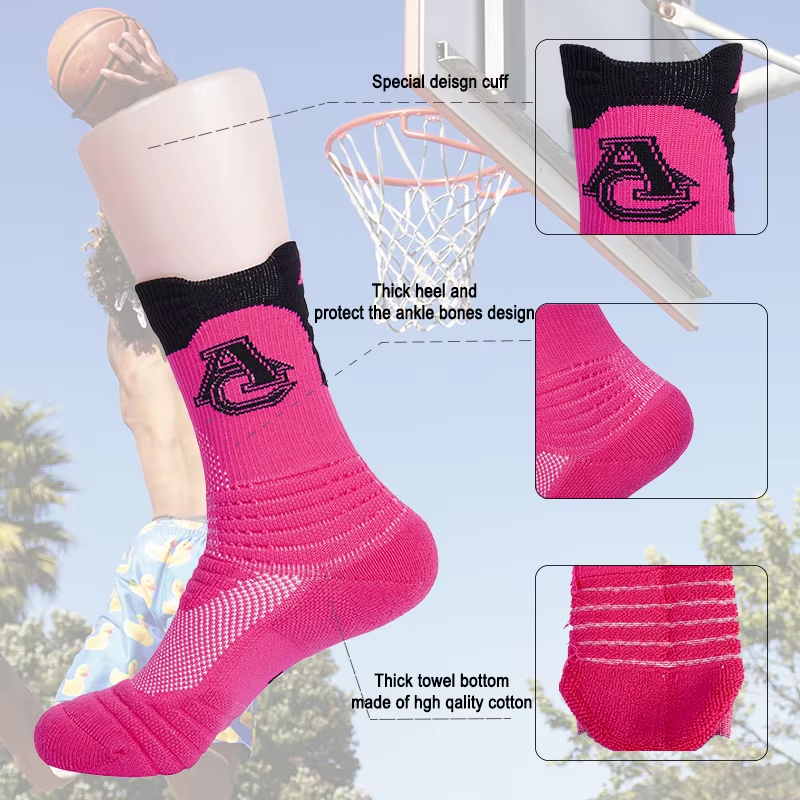
In multidirectional team sports like soccer or basketball, breathability must be paired with dynamic fit. Look for reinforced heel and toe zones plus mid-foot compression bands that lock the sock in place, preventing bunching and friction. A 2019 Sports Engineering study found such features reduce in-shoe slippage by over 40% during cutting and pivoting—directly lowering blister incidence. For everyday wear or low-intensity walks, a cotton-blend sock with ventilated mesh and flat-seam construction offers comfort and modest airflow—but avoid 100% cotton for any sustained activity, as its moisture retention fosters odor and skin breakdown.
Finally, consider shoe pairing: low-cut tab socks maximize exposure to ambient air when worn with minimalist trainers, while quarter- or crew-length styles add ankle support for longer runs or hikes. Regardless of height, prioritize a fine-gauge knit—typically 200-needle count or higher—for rapid wicking and minimal bulk. Reserve antimicrobial-treated options for those with persistent odor concerns, but remember: superior breathability—driven by intelligent fiber selection and construction—is the most reliable, foundational defense against the sweat–odor cycle.
FAQ
Why do cotton socks cause foot odor during exercise?
Cotton socks retain moisture, creating a warm and damp environment inside the shoe. This promotes bacterial growth, which breaks down sweat and skin cells into odorous compounds.
What are breathable sports socks made of?
Breathable sports socks are often made from synthetic fibers like polyester and nylon, or natural materials like merino wool. These materials wick moisture away from the skin and accelerate evaporation.
How does merino wool prevent odor in sports socks?
Merino wool has an innate odor-resistant property due to its fiber structure and lanolin content. It wicks moisture away from the skin and inhibits bacterial adhesion, offering long-lasting freshness.
Are bamboo-derived viscose socks a sustainable option?
Yes, bamboo-derived viscose is biodegradable and contains natural antimicrobial properties. However, it’s important to choose sustainably sourced variants processed using closed-loop systems.
What types of sports activities benefit most from breathable socks?
Activities like running, hiking, gym workouts, and team sports benefit greatly from breathable socks, as they help manage moisture and prevent blisters or discomfort during exertion.