
 EN
EN
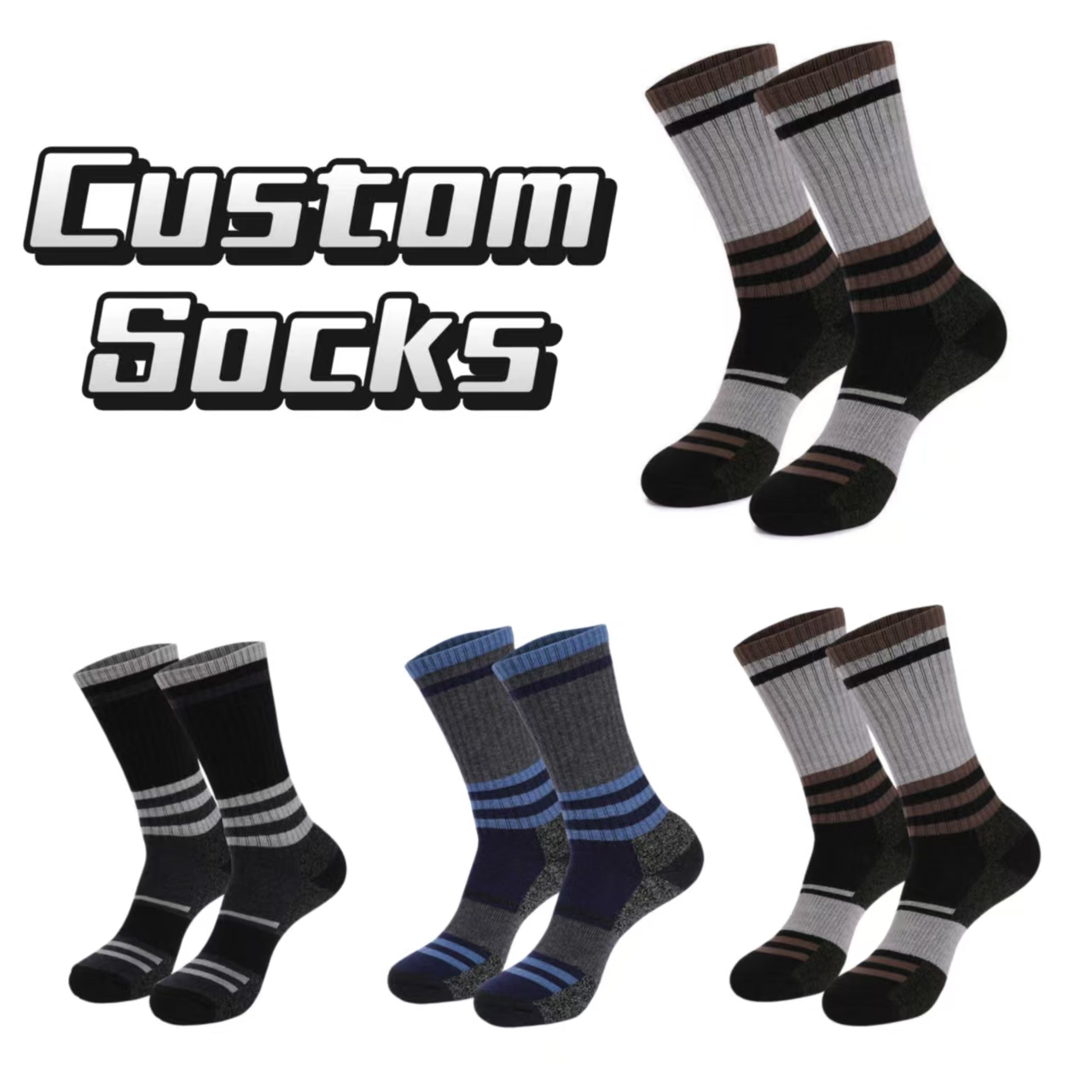
Why Knee Wool Socks Deliver Superior Leg Warmth and Coverage
Thermal Advantage of Knee-Length Coverage for Calves and Lower Thighs
Wool socks that reach the knees offer excellent insulation because they cover those important spots on the legs where muscles are concentrated and where people tend to lose heat quickly. Regular ankle socks or even crew length ones just don't do the job properly since they leave too much exposed. The longer design actually forms a sort of warm pocket around the legs that keeps body heat from escaping and stops the cold wind from getting through. A study came out last year in Thermal Physiology Journal showing knee high socks cut down on leg heat loss by about 40 percent when compared to shorter versions. That makes all the difference during skiing trips, working outside in winter, or spending time in chilly environments. Keeping these lower body areas warm really helps maintain overall body temperature and can stop problems like chilblains from developing.
How Merino Wool’s Natural Crimp and Breathability Outperform Synthetic Blends
High-quality merino wool delivers responsive, adaptive warmth that synthetics cannot match—thanks to its inherent fiber architecture:
- Natural crimp forms microscopic air pockets for lightweight, high-efficiency insulation
- Dynamic breathability regulates temperature during activity, avoiding the overheating–chilling cycle common with polyester
- Superior moisture wicking, moving sweat away from skin 30% faster than acrylic blends
- Inherent antimicrobial properties, resisting odor-causing bacteria for multi-day wear
Unlike cotton—which loses 90% of its insulating capacity when damp—merino retains warmth even when wet. Combined with knee-length coverage, this responsive material creates a reliable, active defense against cold stress across fluctuating conditions.
Key Fit Factors for Knee Wool Socks: Preventing Slippage and Bunching
Proper fit transforms knee wool socks from passive legwear into dynamic thermal regulators. Ill-fitting socks compromise insulation through gaps or constriction—and accelerate wear via friction-induced abrasion.
Anatomy of a Secure Fit: Heel Lock, Arch Support, and Graduated Elastic Cuff
Three precision-engineered features ensure lasting comfort and performance:
- Anatomically shaped heel pockets anchor the sock vertically, eliminating rotational slippage with every step
- Contoured arch bands deliver gentle, targeted compression that maintains alignment without impeding circulation—a balance validated in podiatric pressure-distribution studies
- Graduated elastic cuffs taper snugly at the calf’s narrowest point, then ease upward to avoid tourniquet-like pressure. This design prevents “sock slide,” a problem reported by 68% of users in textile durability research (2024). Merino-spandex blends further enhance security by flexing smoothly with muscle movement.
Sizing Pitfalls: Why Standard Shoe Size ≠ Correct Knee Wool Socks Size
Sock sizing is not standardized—so a US men's size 10 shoe may correspond to medium in one brand and large in another. Getting it wrong triggers cascading issues:
- Undersized socks compress toes and restrict capillary flow, elevating frostbite risk in cold environments
- Oversized socks wrinkle at pressure points, creating abrasive hotspots that degrade wool fibers up to three times faster
Always consult the brand's specific sizing chart—with emphasis on calf circumference, not foot length. A correct fit means the heel cup aligns precisely with your anatomy and the toe seam lies flat, free of bunching or tension.
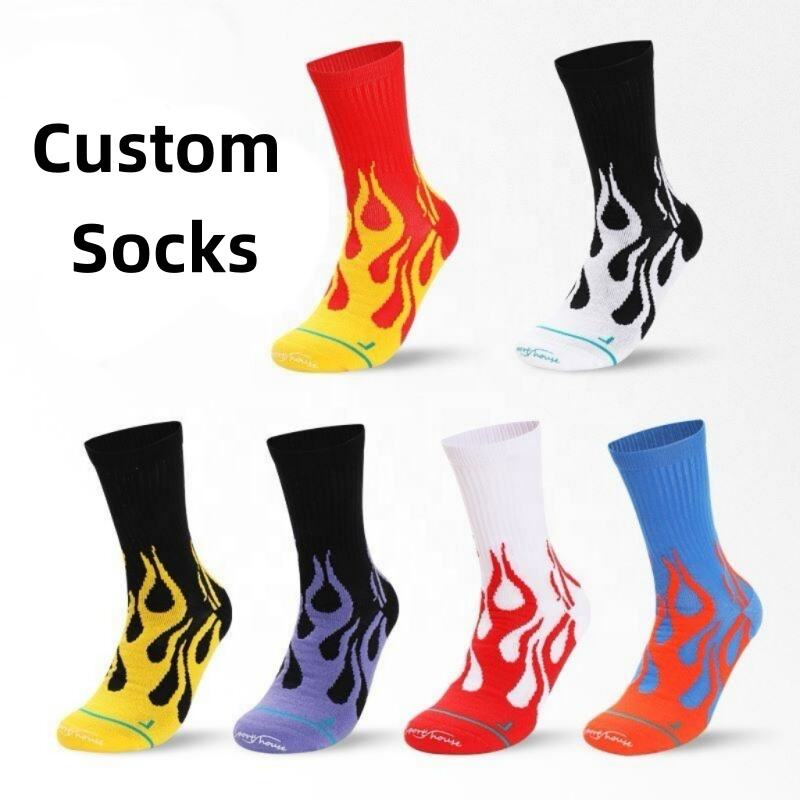
Selecting the Right Knee Wool Socks: Material, Weight, and Intended Use
Material and construction must align with your environment and activity. Merino wool remains the gold standard: its natural crimp provides loft-rich insulation, while its moisture-wicking capability outperforms cotton by 30% (Textile Institute, 2023). Blends with 15–20% nylon add durability and shape retention without compromising breathability.
Weight classification determines thermal output and use case:
| Weight | Best For | Temperature Range |
|---|---|---|
| Lightweight | Active pursuits / mild climates | 50°F (10°C)+ |
| Midweight | Daily wear / variable conditions | 30–50°F (-1–10°C) |
| Heavyweight | Static activities / extreme cold | Below 30°F (-1°C) |
When choosing socks, think about what matters most for your activity. Light knee wool socks work great with hiking boots when moving around a lot on trails. Heavier ones with extra padding at the heels and toes hold up better against rough terrain when stuck in snow all day long. Compression cuffs that gradually tighten help keep everything in place during active sports such as skiing. Midweight varieties strike a nice balance between warmth and letting air circulate, making them ideal for people who commute through cities wearing those thick winter boots most of the week.