
 EN
EN
Understand Your Foot Mechanics and Running Demands
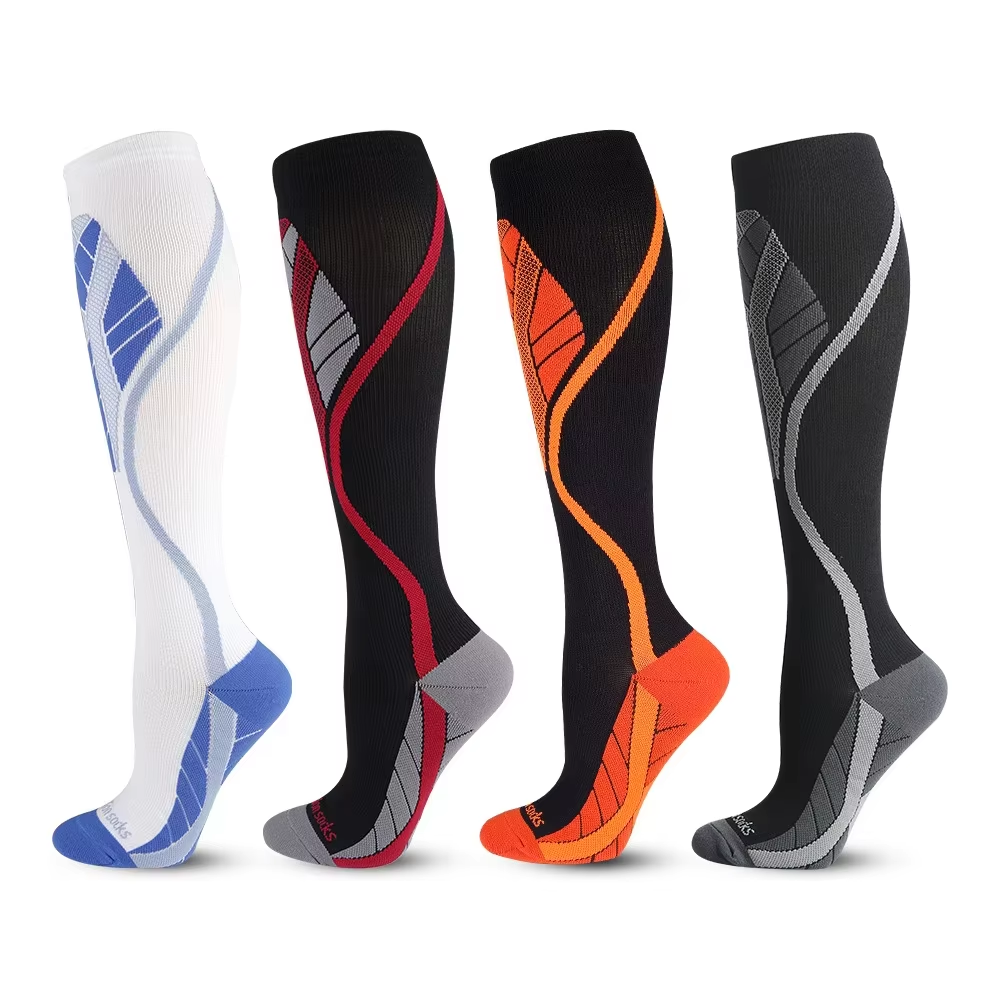
Selecting the right athletic running socks begins with analyzing your foot mechanics and the specific demands of your running routine. Each runner’s gait—whether neutral, overpronated, or supinated—places unique stress on the foot, ankle, and lower leg. While footwear often steals the spotlight, socks are the first layer that directly contacts your skin and influence stability, comfort, and injury risk. Understanding your foot’s natural movement patterns allows you to choose sock features that support proper alignment and reduce repetitive strain.
Left/Right-Specific Design and Heel Cup Alignment for Stability and Injury Prevention
Many premium running socks are engineered with dedicated left- and right-foot shapes. This asymmetrical design mirrors natural foot anatomy—where the big toe is longer and the lateral edge curves more distinctly—enabling precise fit and function. A contoured heel cup anchors the sock firmly against the Achilles tendon and calcaneus, preventing slippage during stride transitions. For runners with pronation or supination tendencies, this alignment is critical: a misaligned sock can create friction hotspots that lead to blisters or compromise ankle stability. By locking the sock in place, left/right-specific construction maintains consistent cushioning under high-pressure zones and helps mitigate overuse injuries across long-distance training.
Compression, Snugness, and Arch Support: Balancing Hold Without Restriction
A well-fitted running sock should feel supportive—not constricting. Graduated compression—tighter at the ankle and gradually easing toward the calf—supports circulation and may reduce muscle fatigue during extended efforts. However, excessive snugness risks impeding blood flow or compressing toes, so balance is essential. Integrated arch support bands, typically made from elasticized materials like Lycra®, cradle the midfoot to prevent bunching and slippage inside the shoe. This feature enhances proprioception and stabilizes the foot—especially valuable for runners with high arches or flat feet. The ideal result is a “second-skin” fit: secure through every heel strike and toe-off, yet fully accommodating natural foot motion.
Match Athletic Running Socks to Cushioning Needs and Performance Materials
Selecting the right athletic running socks means matching cushioning depth and material composition to your activity demands. Cushioning affects impact absorption, ground feel, and thermal regulation—factors that shift with distance, pace, terrain, and climate. Long-distance runners or those logging miles on pavement benefit from targeted padding in the heel and forefoot to reduce peak plantar pressure and delay fatigue. Speedwork or technical trail routes often call for minimalist profiles that preserve responsiveness and tactile feedback. In warm weather, heavy cushioning can trap heat; in cold conditions, thin fabrics may offer insufficient insulation. Aligning these variables ensures optimal comfort, performance, and injury resilience.
Cushioned vs. Minimalist: Aligning Impact Protection with Distance, Pace, and Terrain
Runners covering steady-state distances above 10 km gain measurable benefits from cushioned socks. According to peer-reviewed research published in Footwear Science, appropriate underfoot padding lowers joint loading and improves subjective comfort during prolonged runs. Minimalist socks excel in speed sessions or track intervals, where reduced weight and heightened ground connection enhance efficiency. Trail runners frequently opt for medium-density cushioning—enough to absorb impacts from uneven surfaces without compromising stability on descents or loose terrain. Matching cushioning strategy to your primary running context prevents both over-protection (which dulls feedback) and under-protection (which increases tissue stress), helping sustain form and reduce injury risk.
Material Science: Merino Wool, Polyester-Nylon Blends, and Lycra® for Thermoregulation, Durability, and Recovery Support
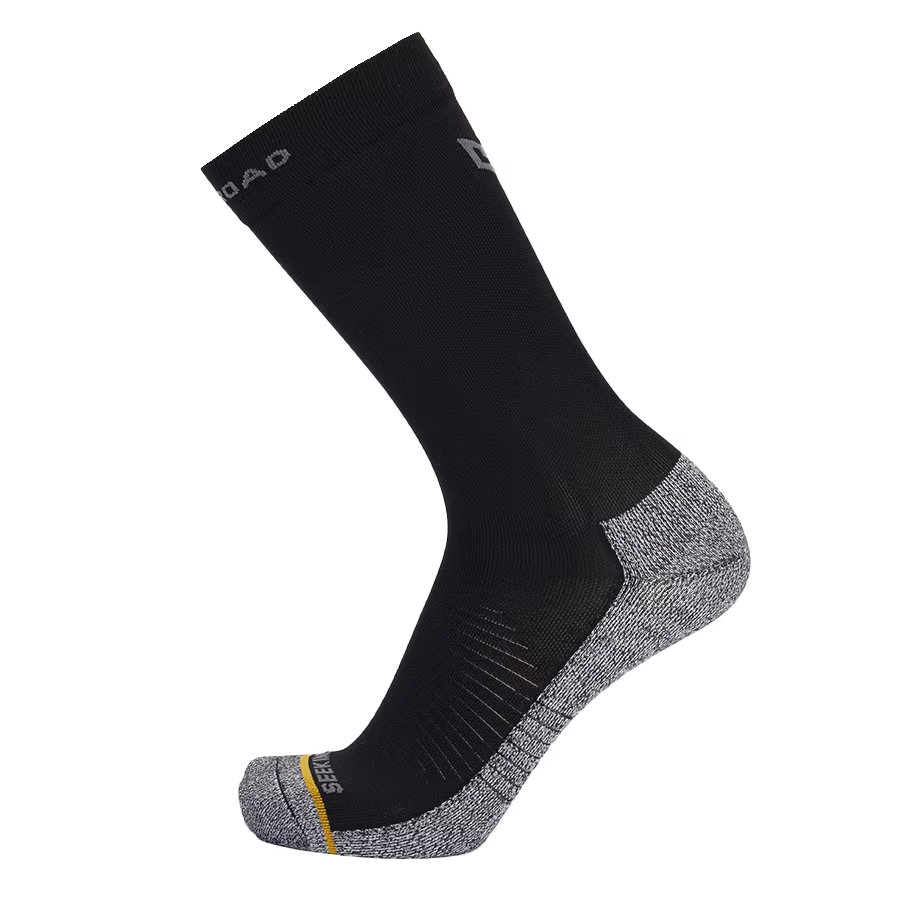
Fibre selection determines how well athletic running socks manage moisture, regulate temperature, and retain shape over time. Merino wool excels in cold-weather performance: it wicks vapour efficiently, resists odour-causing bacteria, and retains warmth even when damp. Polyester-nylon blends deliver durability, quick-drying capability, and structural integrity—ideal for high-mileage or high-sweat use. Lycra® elastane provides dynamic stretch and recovery, ensuring the sock conforms securely to the arch and heel without migrating or bunching. Leading brands apply these materials strategically—e.g., merino in the shaft for warmth, nylon-reinforced zones at the heel and toe for abrasion resistance—to create technically layered socks that perform consistently across changing conditions and survive repeated laundering.
Prioritize Blister Prevention and Environmental Adaptability
Seamless Knitting, Double-Layer Construction, and Targeted Moisture-Wicking in Athletic Running Socks
Blister prevention hinges on minimizing friction and managing moisture—two functions directly shaped by sock construction. Seamless knitting eliminates raised seams that rub against sensitive skin, removing common sources of hot spots and irritation. Double-layer designs add a functional safeguard: the inner layer pulls sweat away from the skin, while the outer layer glides smoothly against the shoe, reducing shear forces on the foot. Targeted moisture-wicking—concentrated in high-perspiration areas like the arch, toe box, and ball of the foot—keeps the skin surface dry, significantly lowering blister risk. When paired with mesh ventilation panels, these features ensure breathability and skin integrity—even during hot, humid, or wet-weather runs.
Validate Fit and Function Through Real-World Testing
Lab assessments provide useful benchmarks—but real-world performance is the ultimate test. Begin by wearing new socks on a short, easy run to assess initial fit and comfort. Focus on heel cup stability: does it stay anchored without slipping? Watch for bunching at the toes or undue compression across the arch. Use the first few miles to evaluate moisture management—if the socks feel damp or cause hot spots early on, their wicking system may be inadequate.
Then progress to longer efforts or varied terrain. This reveals how the socks respond to cumulative impact, sustained friction, and shifting biomechanics. Look for signs of premature wear—thinning at the heel or toe, pilling, or loss of elasticity. Wash the socks as directed and repeat the process over multiple runs. Systematic field testing across different conditions confirms whether the sock delivers reliable fit, comfort, and durability—mile after mile.
FAQ
1. Why is understanding foot mechanics important for choosing running socks?
It helps identify the specific sock features that support proper alignment, improve comfort, and reduce repetitive strain based on your gait.
2. What are the benefits of left/right-specific sock designs?
These designs provide a precise fit that mirrors foot anatomy, reducing friction hotspots, improving ankle stability, and preventing slippage.
3. How do compression socks enhance running performance?
Graduated compression supports blood circulation, reduces muscle fatigue, and provides a snug fit to prevent bunching or slipping.
4. What types of materials are best for running socks?
Merino wool excels in cold weather, polyester-nylon blends are ideal for durability, and Lycra® provides stretch and recovery for all-day comfort.
5. How can I test if my running socks are suitable?
Wear them during short and varied runs to assess fit, moisture management, and durability. Check for slippage, blistering, and signs of wear over time.