
 EN
EN
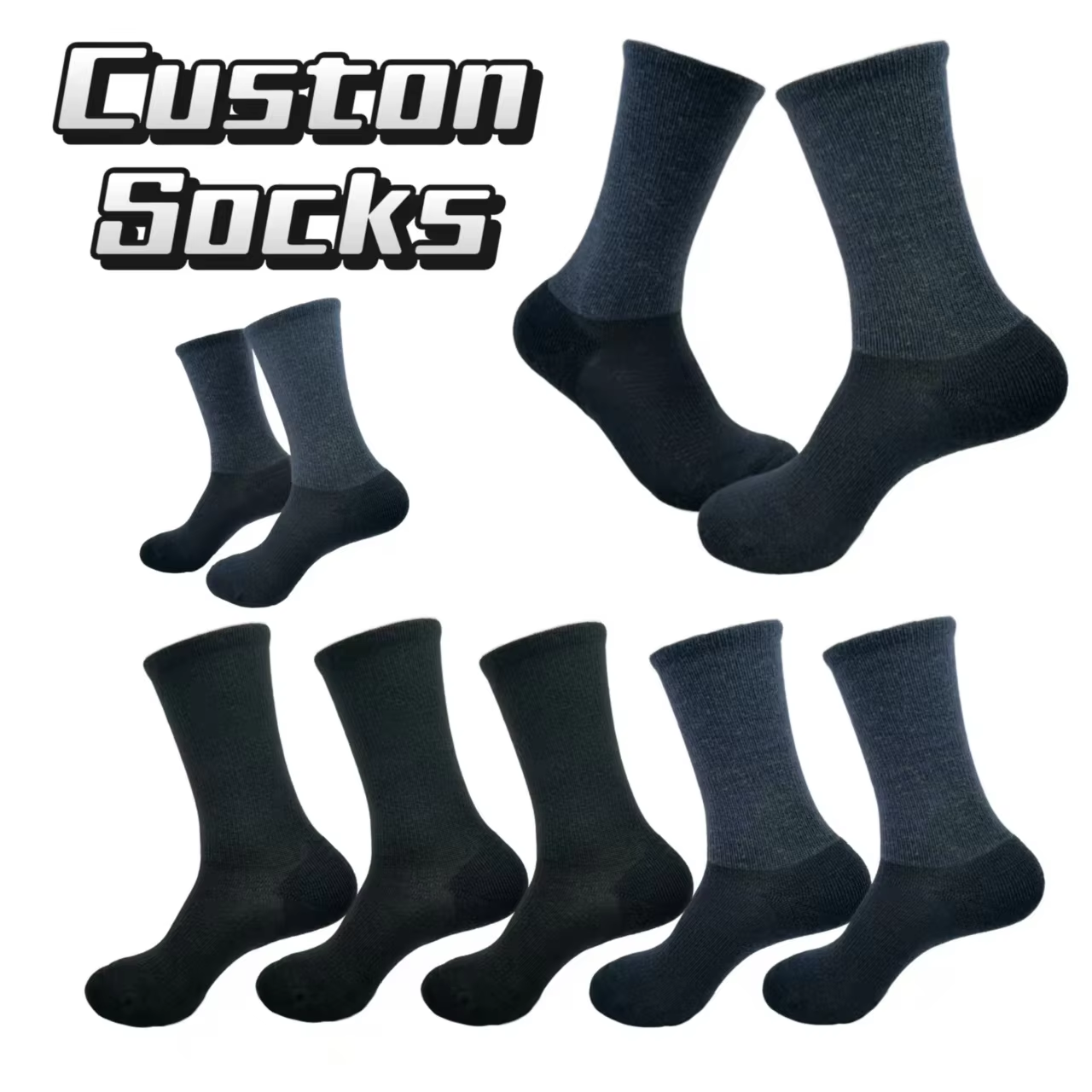
Ang Agham ng Pagkawala ng Init sa Paa: Bakit Nawawalan ng Epekto ang Karaniwang Medyas
Pisikal na kahinaan: distansya mula sa puso, mababang masa ng kalamnan, at mataas na ratio ng surface-area sa volume
Ang mga paa ng tao ay estruktural na predisposed sa mabilis na pagkawala ng init. Dahil nasa pinakamalayo sa puso, natatanggap nila ang dugo na nababawasan na ang temperatura matapos dumaloy sa buong katawan. Ang kakaunting kalamnan sa kanila ay nagpapagawa ng kaunti lamang na init mula sa metabolismo, samantalang ang mataas na ratio ng surface area sa volume ng mga daliri ng paa at ng calcaneus ay nagpapabilis sa thermal radiation patungo sa paligid na hangin. Ang karaniwang mga medyas na cotton ay lumalala sa kahinaang ito: dahil sobrang absorbent, nawawala ang halos lahat nitong kakayahang mag-insulate kapag nabasa na dahil sa pawis—kumukuha ng init mula sa balat. Ang malamig at basang paa ay nagpapakilos ng vasoconstriction, kung saan ang mga ugat ng dugo ay sumisikip upang mapanatili ang temperatura ng sentral na bahagi ng katawan at mas lalo pang bawasan ang sirkulasyon sa mga extremidad. Ang ganitong kadena ng reaksyon ang nagpapaliwanag kung bakit ang manipis o mga medyas na nakakatago ng kahalumigmigan ay mabilis na nagdudulot ng pagkakalbo at kawalan ng kaginhawahan—kahit loob ng bahay man.
Pagsusukat ng thermal leakage: Paano mawawala ang hanggang 20% ng kabuuang init ng katawan sa pamamagitan ng mga paa sa malamig na kondisyon
Ang mga hindi protektadong paa ay maaaring makatulong hanggang 20% sa kabuuang pagkawala ng init ng katawan sa mga kapaligiran na nasa ilalim ng zero. Kapag nabasa ang karaniwang mga medyas, nadadagdagan pa ang bilang na ito dahil sa evaporative cooling. Ang mga paa ay gumagana bilang mga thermal radiator: bawat square centimeter ng balat ay nagpapalabas ng init nang direkta, at sa mahinang insulation, mas mabilis ang pagkawala ng enerhiya kaysa sa kakayahan ng katawan na mag-produce nito. Ang imbalance na ito ay pumipilit sa core na i-sacrifice ang init sa mga periphery—na nagpapataas ng panganib ng chilblains o frostbite. Ang mga custom thermal socks ay nakakatulong laban dito sa pamamagitan ng paggamit ng moisture-wicking fibers at targeted insulation upang i-trap ang isang stable na layer ng mainit na hangin sa paligid ng paa, na binabawasan ang thermal leakage at pinapanatili ang pare-parehong sirkulasyon habang nakakaranas ng matagal na exposure sa lamig.
Paano Nagbibigay ang mga Custom Thermal Socks ng Superior na Insulation at Komportable
Smart material science: Ang natural na crimp ng Merino wool laban sa synthetic blends para sa breathability at init
Ang likas na kurbada ng merino wool ay lumilikha ng milyon-milyong maliit na bulsa ng hangin na nakakapagpapanatili ng init ng katawan habang pinapahintulutang umalis ang singaw ng katas—nagbibigay ng kumportableng init nang walang pakiramdam na basa o pawis. Kapag pinaghalo ito sa matitibay na sintetiko tulad ng nylon o polyester, nananatili ang kahusayan nito sa pagpapanatili ng init habang nadaragdagan ang tibay para sa paulit-ulit na pagsuot at paglalaba. Ang hybrid na istrukturang ito ay mabilis na sumisipsip ng pawis, na nagpipigil sa lamig na dulot ng kahalumigmigan na nakakaapekto sa pagpapanatili ng init. Para sa mga gawain sa taglamig na may iba-ibang antas ng pagsisikap, ang resulta ay pare-parehong regulasyon ng temperatura: ang mga paa ay nananatiling mainit nang hindi napapaso sa panahon ng mabilis na galaw. Ang matalinong pagpili ng materyales ang siyang pundasyon ng epektibong pagpapainit.
Inhenyeriyang konstruksyon: Nakapokus na kompresyon, solong may dalawang layer, at walang sira na takip sa dulo ng paa
Ang mga detalye sa paggawa ang naghihiwalay sa mataas na antas ng mga custom na thermal socks mula sa pangkaraniwang panlabas na pananamit para sa taglamig. Ang naka-zone na compression ay sumusuporta sa arch at ankle, na nagpapabuti ng daloy ng dugo at binabawasan ang pagod habang nakalantad sa mahabang panahon. Ang doble na layer na sol ay nagdaragdag ng cushioning sa heel at ball ng paa, na binabawasan ang friction at sumisipsip ng shock sa bawat hakbang. Ang seamless toe closures ay nag-aalis ng mga raised seams na nagdudulot ng mga blister at iritasyon—na nagpapahintulot sa komportableng pagsuot nang maraming oras. Kasama ang mga katangiang ito, nabubuo ang isang sock na umaangkop nang parang ikalawang balat: nakakapag-imbak ng init nang hindi pinipigilan ang galaw. Ang antas ng sinasadyang disenyo na ito ang gumagawa ng custom thermal socks bilang isang maaasahang solusyon laban sa matinding lamig.
Pamamahala ng Kalamigan at Thermoregulation: Ang Dry-Warm Na Kawastuhan ng Custom Thermal Socks
Ang malamig at basang mga paa ay nagpapabilis ng pagkawala ng init hanggang 25 na beses nang mas mabilis kaysa sa tuyong balat—kaya ang epektibong pamamahala ng kahalumigmigan ay kasing-kritikal ng pagsasagawa ng insulasyon. Ang karaniwang mga medyas na gawa sa tela o sintetikong materyales ay nakakapigil ng pawis sa direktang kontak sa balat, na nagdudulot ng mainit na lamig na sumisira sa init. Ang mga espesyal na medyas na may thermal na katangian ay naglulutas nito gamit ang dalawang-layer na disenyo: isang panloob na layer na hydrophobic (karaniwan ay Coolmax o polyester) na sumisipsip ng kahalumigmigan mula sa paa, habang ang panlabas na layer na gawa sa Merino wool ay sumisipsip at ligtas na inii-evaporate ito palabas. Ang likas na kurbada ng Merino ay nananatiling nagbibigay ng mga bulsa ng hangin na nag-i-insulate kahit kapag basa, at ang kanyang hygroscopic na mga hibla ay nagpapalabas ng kahalumigmigan bilang usok—hindi bilang likido—na nagpapigil sa pakiramdam ng basa. Ang dalawang mekanismo na ito—mabilis na pagsumisipsip kasama ang hiningang insulasyon—ay nagpapanatili ng tuyo, mainit, at walang blisters na mga paa habang nasa mahabang aktibidad sa taglamig. Para sa mga manggagawa sa labas o mga atleta sa taglamig, ang resulta ay hindi lamang komportable kundi pati na rin kaligtasan: nababawasan ang panganib ng frostnip, trench foot, at pagbaba ng performance dahil sa pagkakaroon ng panghihina o pagkawala ng sensibilidad dulot ng lamig.
Napatunayang Pagganap: Tunay na Kawastuhan ng Mga Pasadyang Medyas na Paniniti sa Matitinding Kondisyon ng Taglamig
Mga Resulta mula sa Field Test: Pagpapanatili ng Temperatura ng Pangunahing Bahagi ng Paa habang Naglalakad sa Bundok at Nagso-snowshoe sa mga Temperaturang Nasa Ilalim ng Zero
Ang mga simulasyon sa laboratorio ay hindi kayang kopyahin ang matitinding katotohanan ng mga kapaligirang bundok kung saan ang hangin na nagpapalamig at ang kahalumigmigan ay pumapalakas sa pagkawala ng init. Ang mga field study ay nagpapakita na ang mga pasadyang medyas na paniniti ay mas epektibo kaysa sa mga karaniwang alternatibo dahil nakakapagpanatili sila ng temperaturang pangunahing bahagi ng paa na 8–12°F na mas mataas habang nakakalantad nang tuloy-tuloy sa mga temperatura na nasa ilalim ng zero (Unibersidad ng Calgary, 2023). Sa mga ekspedisyon na nagso-snowshoe na may apat na oras sa kondisyong -15°F, ang mga grupo ng tester na nagsuot ng mga medyas na paniniti na may anyo na sumusunod sa anatomiya ng paa ay nagpakita ng:
- 37% na mas mababang insidensya ng frostnip kumpara sa mga kontrol na grupo
- Pangmatagalang pagganap sa pag-alis ng kahalumigmigan na nagpipigil sa pagbuo ng yelo sa loob ng mga sapatos
- Walang anumang pagbuo ng blister kahit na may higit sa 2,000 poot na pagtaas sa taas
Ang mga resultang ito ay nagmumula sa estratehikong pagkakabahagi ng insulation sa mga lugar na may mataas na heat loss tulad ng rehiyon ng metatarsal at Achilles tendon. Ang kakayahan sa Regulasyon ng Init ng mga custom-engineered na medyas ay nagpapabago sa mga ekstremong gawain sa panahon ng taglamig mula sa mga pagsusulit ng tibay tungo sa mga kontroladong biyaheng pang-ekspedisyon—na pinapanatili ang kahusayan, kaginhawahan, at kaligtasan.
Estratehikong Pag-aangkop: Pagkakasunod-sunod ng mga Custom na Thermal na Medyas sa Aktibidad, Brand, at Pangangailangan ng Gumagamit
Maaaring i-customize ang mga thermal na medyas upang tugma sa iba’t ibang antas ng aktibidad at mga layunin sa branding, na nagpapabago sa kanila mula sa simpleng kagamitan para sa taglamig tungo sa mga kagamitang may tiyak na layunin.
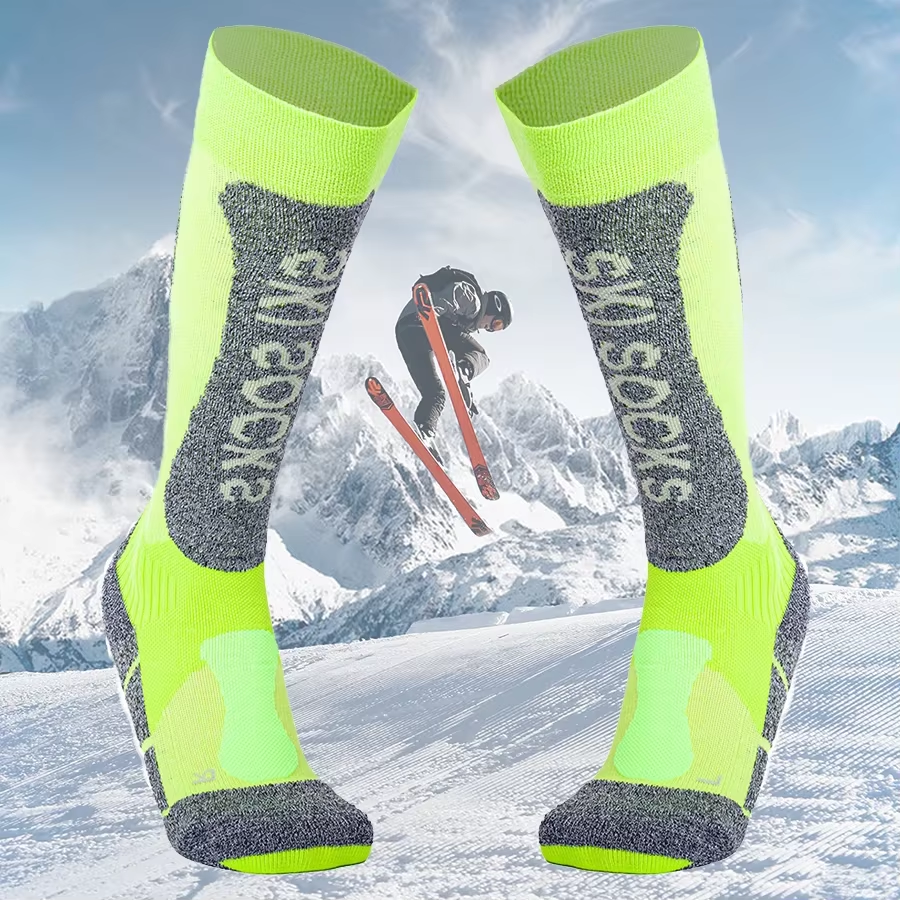
Optimisasyon batay sa gamit: Mataas na galaw (ski touring) laban sa static na pagkakalantad (winter workwear)
Para sa mga aktibidad na may mataas na paggalaw tulad ng ski touring, ang mga pasadyang medyas na pang-init ay binibigyang-prioridad ang pag-alis ng kahalumigmigan at paghinga kasama ang nakatuon na cushioning. Sa kabaligtaran, ang static exposure—tulad ng pananamit sa panahon ng taglamig para sa trabaho—ay nangangailangan ng maximum na insulation at maliit na compression upang mapanatili ang init habang hindi aktibo nang matagal. Ang pagpapasadya ay nagbibigay-daan sa tiyak na pag-aadjust sa mga halo ng hibla, density ng knit, at zoned padding, na sumasalamin nang eksakto sa thermal at comfort performance batay sa mga pangangailangan ng gumagamit.
B2B value-add: Branded custom thermal socks para sa corporate gifting at team uniforms
Hindi lamang para sa performance, ang mga branded custom thermal socks ay epektibong promotional merchandise din. Ang mga kumpanya ay maaaring isama ang kanilang mga logo, kulay ng brand, at mga pattern sa disenyo ng mga medyas para sa corporate gifting o team uniforms. Ang estratehiyang ito na mura ay nagpapataas ng visibility ng brand habang nagbibigay ng tunay na kapakinabangan—lalo na kapag ang mga medyas ay nagbibigay ng matagalang kumportable, tibay, at reliability sa malamig na panahon.
Talaan ng Nilalaman
- Ang Agham ng Pagkawala ng Init sa Paa: Bakit Nawawalan ng Epekto ang Karaniwang Medyas
- Paano Nagbibigay ang mga Custom Thermal Socks ng Superior na Insulation at Komportable
- Pamamahala ng Kalamigan at Thermoregulation: Ang Dry-Warm Na Kawastuhan ng Custom Thermal Socks
- Napatunayang Pagganap: Tunay na Kawastuhan ng Mga Pasadyang Medyas na Paniniti sa Matitinding Kondisyon ng Taglamig
- Estratehikong Pag-aangkop: Pagkakasunod-sunod ng mga Custom na Thermal na Medyas sa Aktibidad, Brand, at Pangangailangan ng Gumagamit